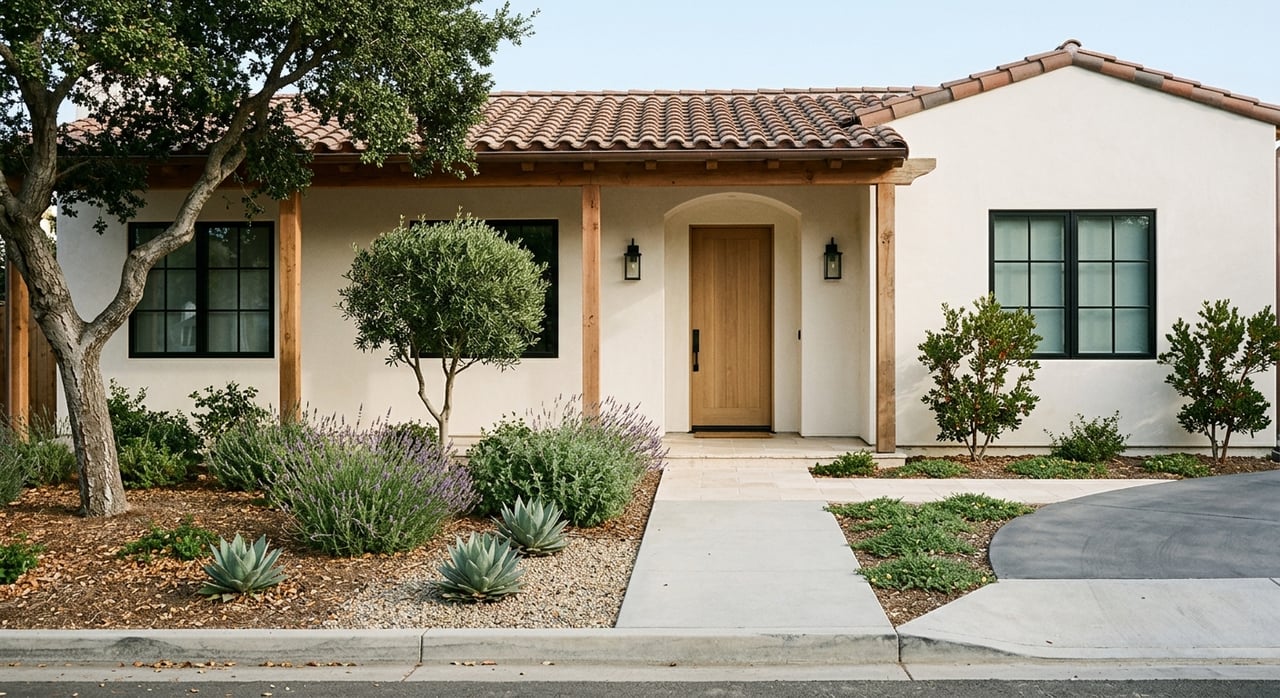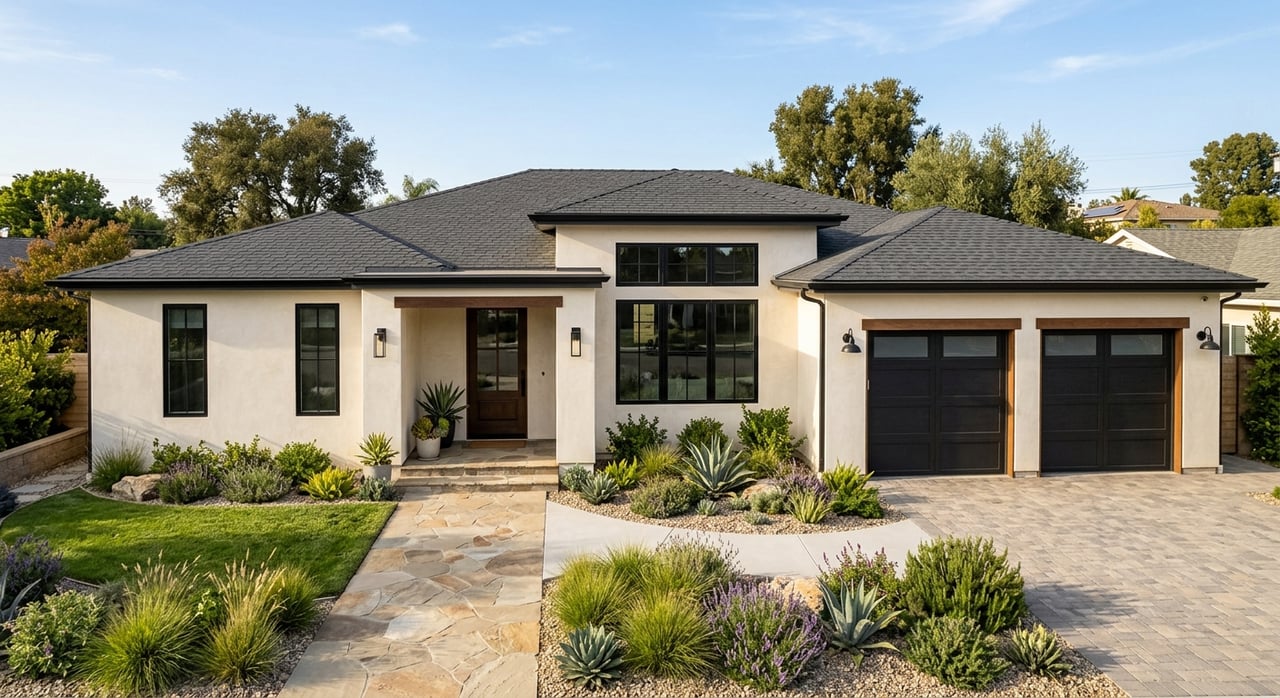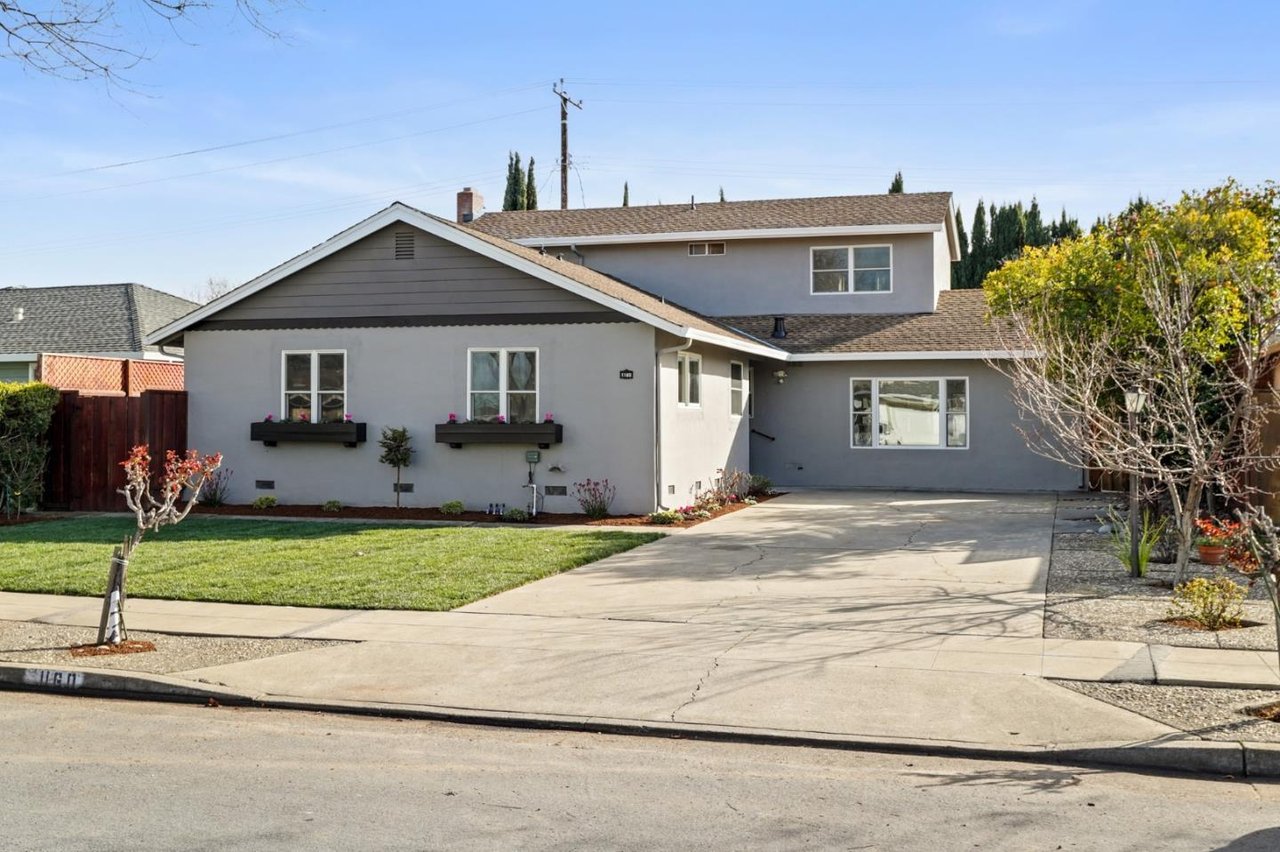
Trying to sell your Gilroy home while buying in Morgan Hill or beyond can feel like solving two big problems at once. You want to protect the equity you have built, avoid being left without a place to live, and still compete for your next home in a fast-moving market. The good news is that with the right sequence, cash plan, and timeline, you can make the move with more clarity and less stress. Let’s dive in.
Understand the South County price gap
If you are selling in Gilroy and buying in Morgan Hill, the first thing to understand is the price difference between the two markets. According to Redfin’s local housing market data for Gilroy, Gilroy’s median sale price was $1,105,000 in February 2026, while Morgan Hill was $1,435,000.
That gap matters because your sale proceeds may not fully cover the down payment, closing costs, and other upfront expenses for the next purchase. It is not just a move across South County. In many cases, it is also a financing and cash-flow decision.
The pace of the market matters too. Redfin reports Gilroy homes selling in about 22 days, Morgan Hill in about 18 days, and Santa Clara County overall at 12 days. If you are buying after you sell, or trying to do both close together, timing and offer strategy become especially important.
Why timing matters so much
A move like this has two moving parts that depend on each other. Your Gilroy sale may provide the funds you need for your next purchase, but the home you want in Morgan Hill or another nearby market may not wait for your current home to close.
That is why many homeowners start with a clear plan before they list. The best approach for you depends on your cash reserves, your financing options, and how much risk you are comfortable taking.
Option 1: Sell first, then buy
For many homeowners, selling first is the most conservative path. The Consumer Financial Protection Bureau notes that homeowners normally try to sell their home before buying another one.
This approach gives you more certainty about how much money you will actually net from your sale. It can also reduce the chance of stretching your budget or carrying two housing payments at once.
The tradeoff is convenience. If your Gilroy home sells before your next home is ready, you may need a temporary living plan or a negotiated way to stay in the home after closing.
When sell-first works best
This route often makes sense if:
- You need sale proceeds for the next down payment
- You want to keep debt and monthly obligations lower
- You prefer a more predictable budget before making offers
- You do not want to risk owning two homes at the same time
Option 2: Buy with a sale contingency
If your Gilroy sale needs to fund your next purchase, a contingent offer can provide important protection. The California Department of Real Estate reference materials explain that an offer can be contingent on the sale of the buyer’s property.
This can lower your risk because you are not forced to close on the new home before your current one sells. If your sale does not happen on time, you may have a contractual way to back out depending on the terms.
The challenge is competitiveness. In a market where homes can sell quickly and many properties draw strong offers, a seller may view a contingent offer as less attractive than one with fewer conditions.
The real tradeoff of a contingent offer
A sale contingency can help protect your finances, but it may weaken your offer position. That is especially true in South County conditions where homes move relatively fast and many sales close above list price.
In other words, this strategy can be smart, but it needs careful positioning and realistic expectations.
Option 3: Sell, then negotiate a rent-back
A rent-back or post-closing occupancy arrangement can help bridge the gap between your sale and your next purchase. This means you close the sale of your Gilroy home, but remain in the property for an agreed period after closing.
The California DRE guidance notes that when title and occupancy do not transfer at the same time, the parties should use a written agreement and consult insurance and legal advisors. That written structure matters because everyone needs clarity on timing, responsibility, and possession.
For many move-up sellers, this can be one of the cleanest ways to unlock equity while buying a little more time for the next move.
Why rent-back can help
A rent-back may allow you to:
- Access sale proceeds sooner
- Avoid a rushed move
- Stay in place while your next purchase closes
- Reduce the need for temporary housing
Option 4: Buy before selling with a bridge loan
Some homeowners want to buy first and sell second. In that case, temporary financing may be part of the conversation. Fannie Mae’s selling guide on bridge or swing loans explains that these funds can be acceptable if the lender documents your ability to carry the new home, your current home, the bridge loan, and your other obligations.
This option can give you flexibility, especially if you find the right replacement home before your Gilroy property is sold. But it is not a shortcut around affordability. Your lender will look closely at whether you can manage all the related payments and obligations.
For that reason, buy-first plans usually work best for households with strong income, significant equity, or substantial cash reserves.
Build your cash plan early
One of the biggest mistakes move-up buyers make is focusing only on the down payment. The CFPB explains that closing costs typically run about 2% to 5% of the purchase price, excluding the down payment.
That means if you are buying in a higher-priced market like Morgan Hill, your cash needs can rise quickly. On top of that, you may also be paying for moving costs, repairs, deposits, or purchases for the new home.
The California DRE also notes that buyers typically need to verify funds for the down payment and closing costs soon after acceptance. That is why it helps to know exactly where those funds are coming from before you make offers.
Your move-up cash checklist
Before you get serious about homes, line up answers to these questions:
- How much equity do you expect to net from your Gilroy sale?
- How much cash do you already have available?
- Will you need sale proceeds for the next down payment?
- Can you cover closing costs on the new purchase?
- Do you have a backup plan if the two closings do not line up perfectly?
Get your agent and lender aligned
Strong coordination matters in any transaction, but it matters even more when one sale is helping fund the next purchase. The CFPB recommends exploring loan choices and shopping for homes at the same time, and getting a preapproval letter early in the process.
California buyers should also know that the DRE’s 2024 advisory says a signed buyer-broker representation agreement must be in place by the time the buyer executes an offer. If you are preparing to buy in Morgan Hill or beyond, this is part of getting organized before the home search becomes urgent.
When your agent and lender are aligned early, you can move faster on pricing, listing timing, preapproval updates, and offer structure.
Keep escrow and title on one timeline
In California, real estate escrows are commonly handled by independent escrow companies or title insurance companies, according to the California DRE escrow overview. When you are selling one home and buying another, that makes timeline coordination essential.
Your escrow officer, lender, and agents all need the same understanding of key dates. If your sale funds your purchase, even a short delay on one side can affect the other transaction.
This is why a written timeline is so helpful. Contract deadlines are often measured in days, not weeks, so small timing mistakes can create bigger problems than many buyers and sellers expect.
Create a written timeline
A written timeline helps you see the full sequence before you are deep in negotiations. It can also reduce stress because you know what needs to happen and when.
Your timeline should include:
- Target listing date for your Gilroy home
- Expected showing and offer window
- Date for loan preapproval or financing updates
- Deadline to verify down payment and closing funds
- Offer submission dates for purchase homes
- Contingency deadlines and removal dates
- Closing dates for both transactions
- Any rent-back or post-closing occupancy period
What changes when you buy beyond Morgan Hill?
If you are buying beyond Morgan Hill into another Santa Clara County location, the same planning issues still apply, and they may become even more important. Redfin’s Gilroy market page shows Santa Clara County overall at a median sale price of $1.6 million, which is above both Gilroy and Morgan Hill.
That means the farther you move into higher-priced markets, the more likely it is that your next purchase will require additional cash, stronger financing, or a more flexible transaction structure. The move may still make sense for your goals, but the strategy needs to match the numbers.
A steadier way to make the move
Selling in Gilroy while buying in Morgan Hill or beyond is possible, but it works best when you treat it as one connected plan instead of two separate deals. You need a realistic sale strategy, a clear cash picture, and a buying plan that fits the pace of the local market.
That is where calm, local guidance can make a real difference. If you are weighing your timing, equity, and next-step options, Nancy Robinson can help you build a step-by-step plan that fits your goals in South County.
FAQs
How does selling in Gilroy before buying in Morgan Hill reduce risk?
- Selling first can reduce financial pressure because you know your net proceeds before making a purchase, and you may avoid carrying two housing payments at the same time.
How competitive is a contingent offer when buying in Morgan Hill or nearby?
- A contingent offer can protect you if your Gilroy sale must close first, but it may be less attractive to sellers in a market where homes can sell quickly and some buyers present fewer contingencies.
How much cash do you need when moving from Gilroy to Morgan Hill?
- In addition to your down payment, the CFPB says buyers should budget about 2% to 5% of the purchase price for closing costs, plus moving expenses, repairs, and other upfront purchases.
How can a rent-back help when selling a home in Gilroy?
- A rent-back can let you close your sale, access proceeds, and stay in the home for an agreed period while your next purchase is finalized.
What professionals should be coordinated when selling one home and buying another in Santa Clara County?
- Your agent, lender, escrow officer, and title company should all work from the same timeline so your sale and purchase stay aligned from offer through closing.