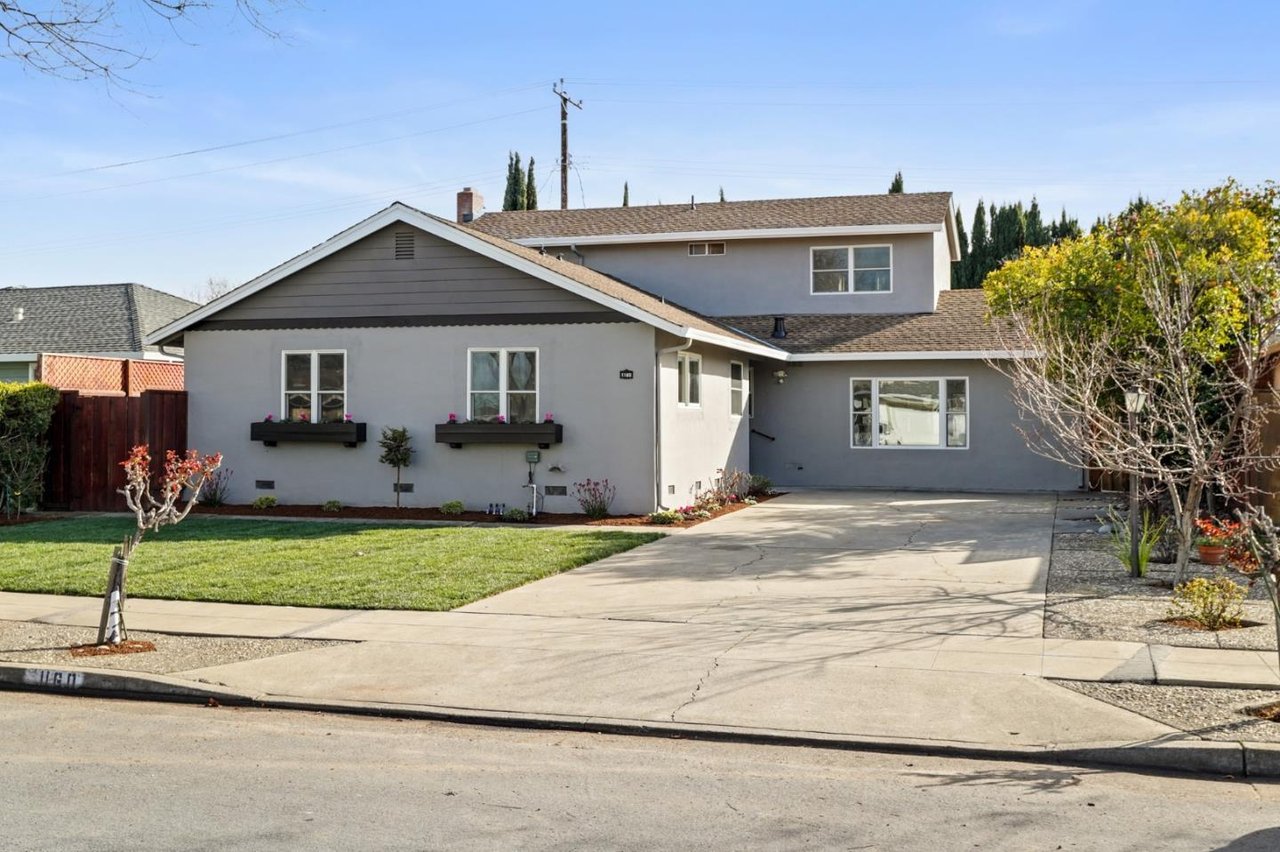
Over the past few years, we’ve worked with several families navigating an unexpected and complicated situation: inheriting a home in California after the passing of a parent or grandparent.
One recent example involved our client Matt.
Matt’s mother had lived in the same Sunnyvale home for more than 45 years. She raised her family there, built a lifetime of memories, and like many long-time homeowners in Silicon Valley, she benefited from a very low property tax basis that had been protected by California’s property tax system for decades.
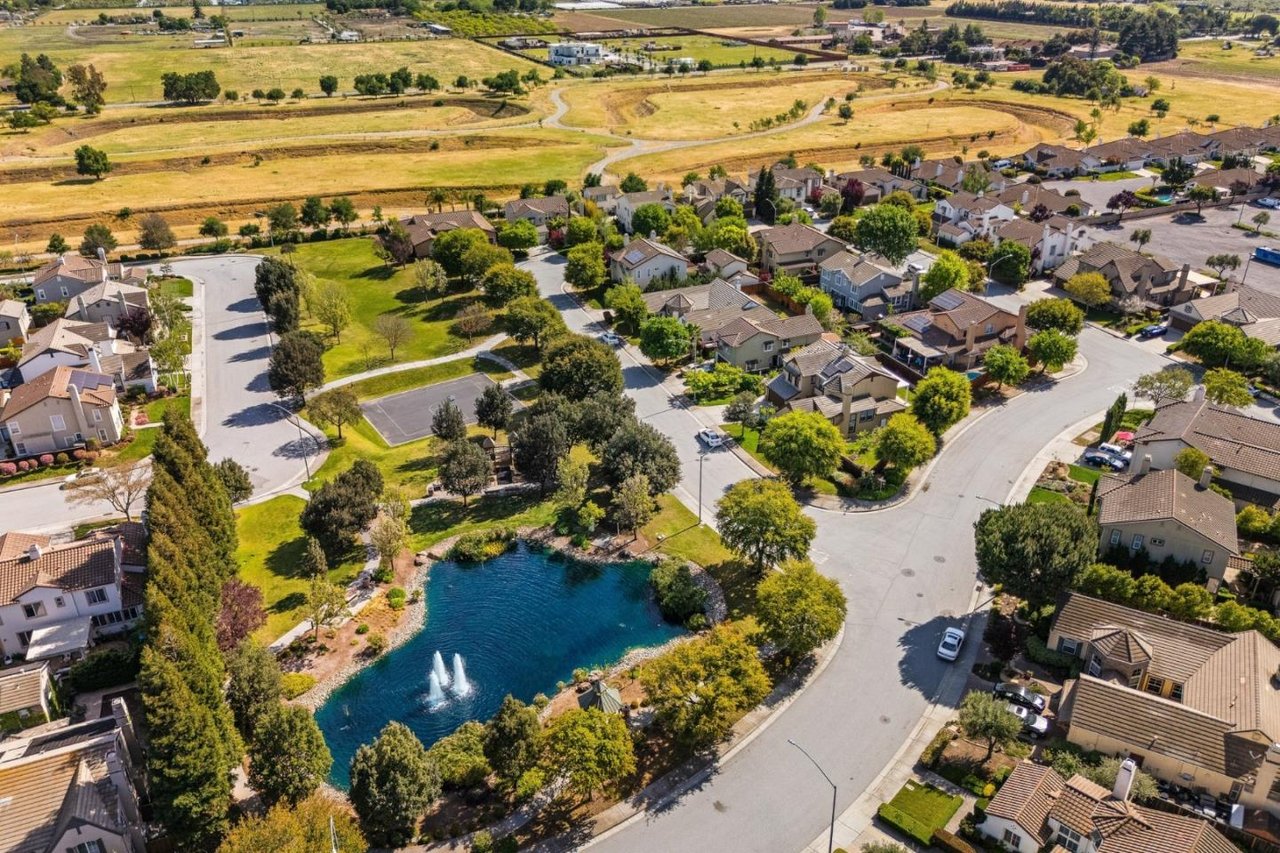
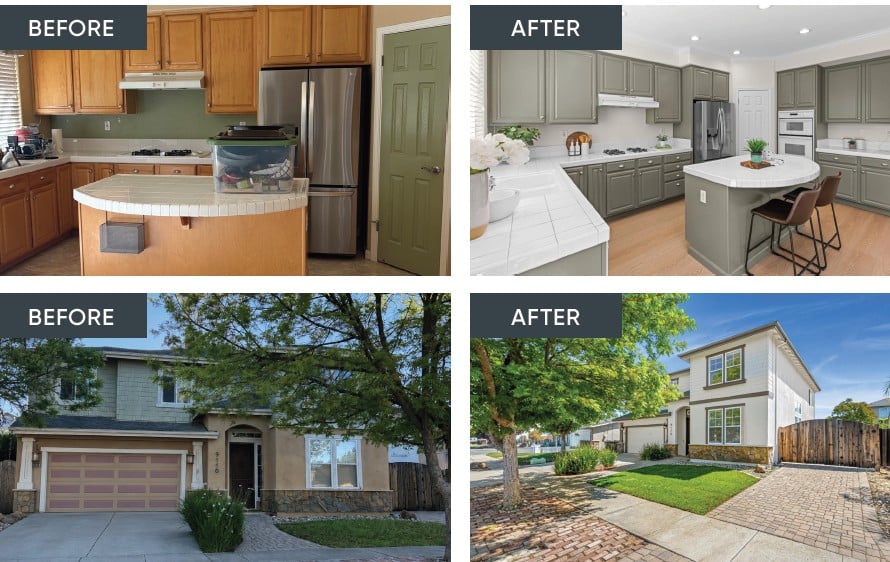
Sunnyvale is one of the most desirable communities in Silicon Valley. Over the years, property values in the neighborhood had increased dramatically. While the home had tremendous value, it had also fallen into significant disrepair and functional obsolescence — something we see quite often with elderly homeowners who have lived in their homes for many years. Functional obsolescence means that the house will have a loss in value due to an outdated design and layout compared to modern alternatives. Think of Grandma's old kitchen with Autumn Gold appliances.
When Matt inherited the property, he was suddenly faced with a series of important decisions.
Should he renovate the home and keep it as a rental?
Should he move into it as his primary residence (spoiler alert: wife not thrilled with that idea)?
Or should he sell it and reinvest that money elsewhere?
What made the decision more complicated was California’s Proposition 19.
What Is Proposition 19 and how does it affect inherited properties?
Proposition 19, which took effect in February 2021, significantly changed how property taxes are handled when a home is transferred between parents and children.
PRIOR to Proposition 19, many inherited properties could retain the parent’s original property tax basis, even if the child chose to keep the home as a rental or second property.
Today, the rules are very different.
Under Proposition 19:
If a child inherits a home and does not move into the property as their primary residence, the property is reassessed at current market value for property tax purposes. For families inheriting homes in high-value areas like Silicon Valley, this can result in a dramatic increase in property taxes.
Matt’s Situation
Matt’s mother had purchased her Sunnyvale home decades ago, when home values were a fraction of what they are today. Because of that, the property taxes were extremely low relative to the current value of the property. However, under Proposition 19, if Matt kept the home as a rental property, the property would be reassessed at current market value.
The estimated property tax bill would JUMP to more than $36,000 per year.
For Matt, this significantly changed the math on keeping the property as a rental investment. That level of annual tax expense would take a major bite out of the income the property could produce. Plus he would face needing to do work on the house to get it ready to even rent it out. A big decision to make.
There was one potential way to avoid the full reassessment.
The Partial Transfer of Tax Basis
Proposition 19 does allow a limited transfer of the parent’s property tax basis, but only under specific conditions.
In order to qualify, the child must:
• Move into the home (uh oh...)
• Use the property as their primary residence
• File for the homeowner’s exemption within one year
Even then, the transfer of the tax basis is not always complete.
If the property value at the time of transfer exceeds the parent’s assessed value by more than $1 million, the property will still be partially reassessed.
For many inherited homes in Silicon Valley, the difference between the original tax basis and current market value is significant enough that even this partial transfer may not fully preserve the original tax bill.
Matt carefully considered moving into the home, I believe I mentioned... Matt's wife was not thrilled with that idea. After reviewing the condition of the property and the work required to bring it up to modern standards, he ultimately decided that it was not the right fit for his family. Instead, he chose to sell the property and reinvest the proceeds into a different investment strategy. For him, that approach provided more flexibility and avoided the long-term burden of dramatically higher property taxes.
Final Thoughts
Situations like Matt’s are becoming increasingly common throughout California. Many families inherit homes that have been owned for decades, often with extremely low property tax bases and significant deferred maintenance. Proposition 19 changed the landscape for inherited property, and for many heirs it creates an important decision point: move into the home, keep it as an investment with a higher tax basis, or sell and redeploy the equity elsewhere.
In Matt’s case, understanding the financial implications of Proposition 19 helped him make a thoughtful decision about what to do with the property. Rather than taking on a major renovation project and a much higher annual property tax bill, he chose to sell the home and invest the proceeds in a way that better aligned with his long-term goals.
Every family’s situation is different, but having the right information early can make these decisions much clearer.
Are you thinking about selling or have you inherited a property?
If you or your family are navigating the inheritance of a home, it's important to understand how laws, like Proposition 19, may affect your options. The decisions you make can have long-term impacts on property taxes, investment strategies, and family wealth. We often help families evaluate the real estate side of these transitions, including property condition, potential value, preparation strategies, and the pros and cons of selling versus holding the property as an investment and becoming a landlord. And if you're a homeowner over 55, Proposition 19 may also allow you to transfer your existing property tax basis to a new home anywhere in California, which can open up opportunities to downsize or relocate while keeping your tax basis. In Part 2 of this series, we'll take a closer look at how that tax basis transfer works and how many homeowners are using it to make a move they once thought was financially impossible.
If you have questions about selling a long-held family home or navigating an inherited property, we're always happy to talk through your situation and provide you with options.