Wondering why some San Martin acreage homes feel instantly compelling to buyers while others sit without momentum? In a market like San Martin, buyers are not just judging square footage. They are also looking at how the land lives, how the property functions day to day, and whether everything feels clear, usable, and ready. If you want to position your home well for today’s buyers, the goal is to make both the house and the acreage easy to understand from the very first photo. Let’s dive in.
Why acreage homes need a different plan
San Martin is a rural, unincorporated area between Morgan Hill and Gilroy, and that matters when you prepare a home for sale. Buyers often evaluate these properties as lifestyle-and-utility homes, which means the land, privacy, access, outbuildings, and rural systems can matter just as much as the interior itself.
That is why preparing an acreage home is not only about cleaning up the house. You also want to show how the parcel works in real life. A buyer should be able to quickly understand where they park, how they move around the property, what the outbuildings offer, and how the outdoor space supports everyday living.
Recent buyer research also supports this approach. While some buyers want larger lots or acreage, many are still thinking about practical daily needs. In San Martin, the strongest listing story usually connects space with convenience, function, and flexibility instead of treating acreage as the only selling point.
Start with curb appeal and land cleanup
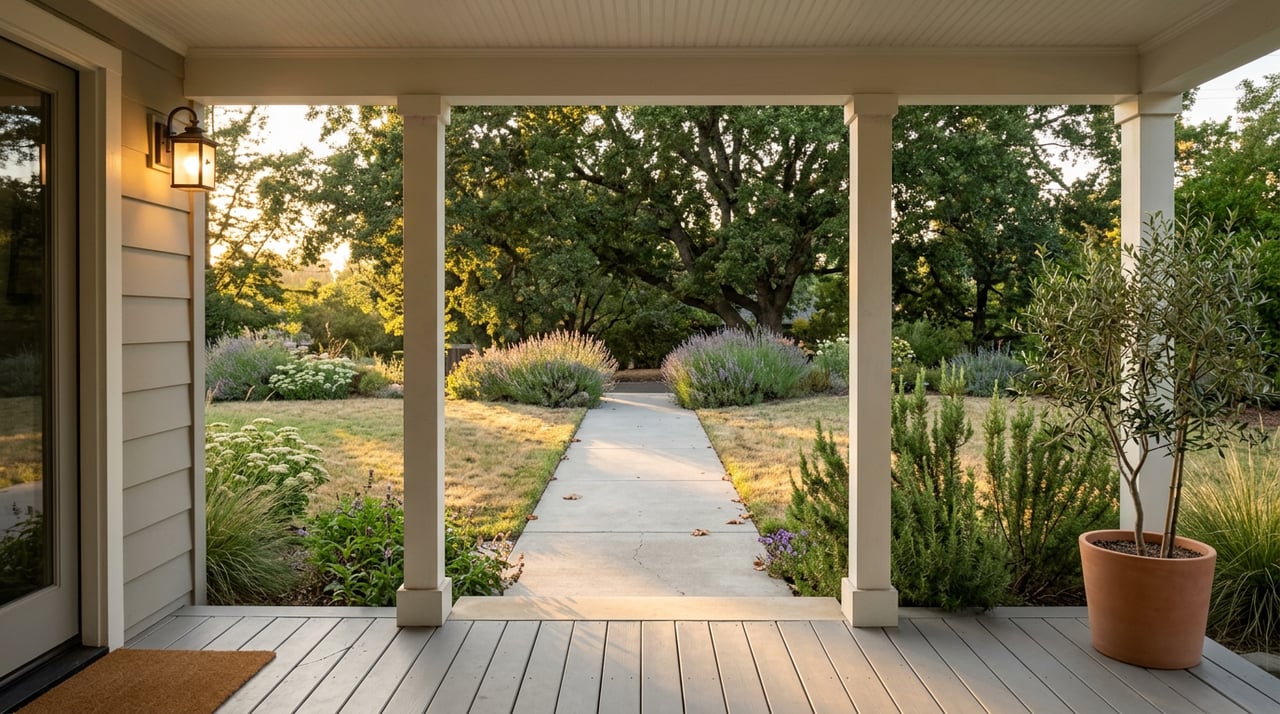
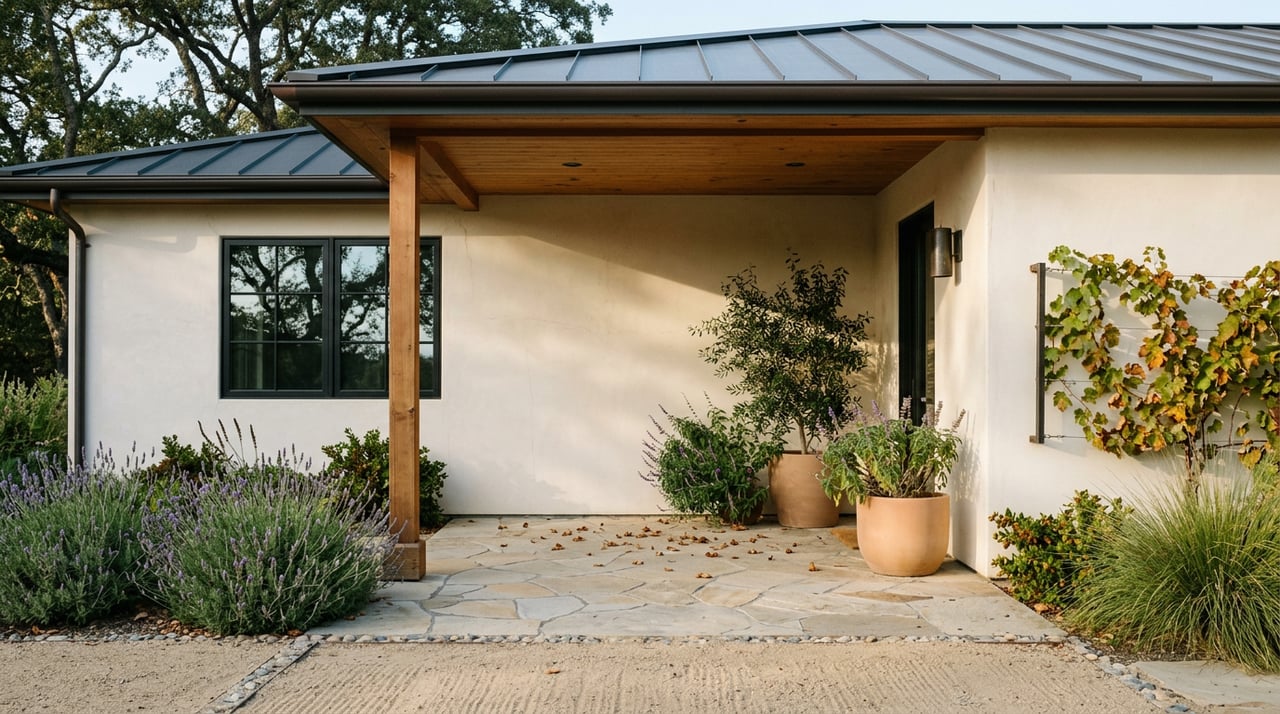
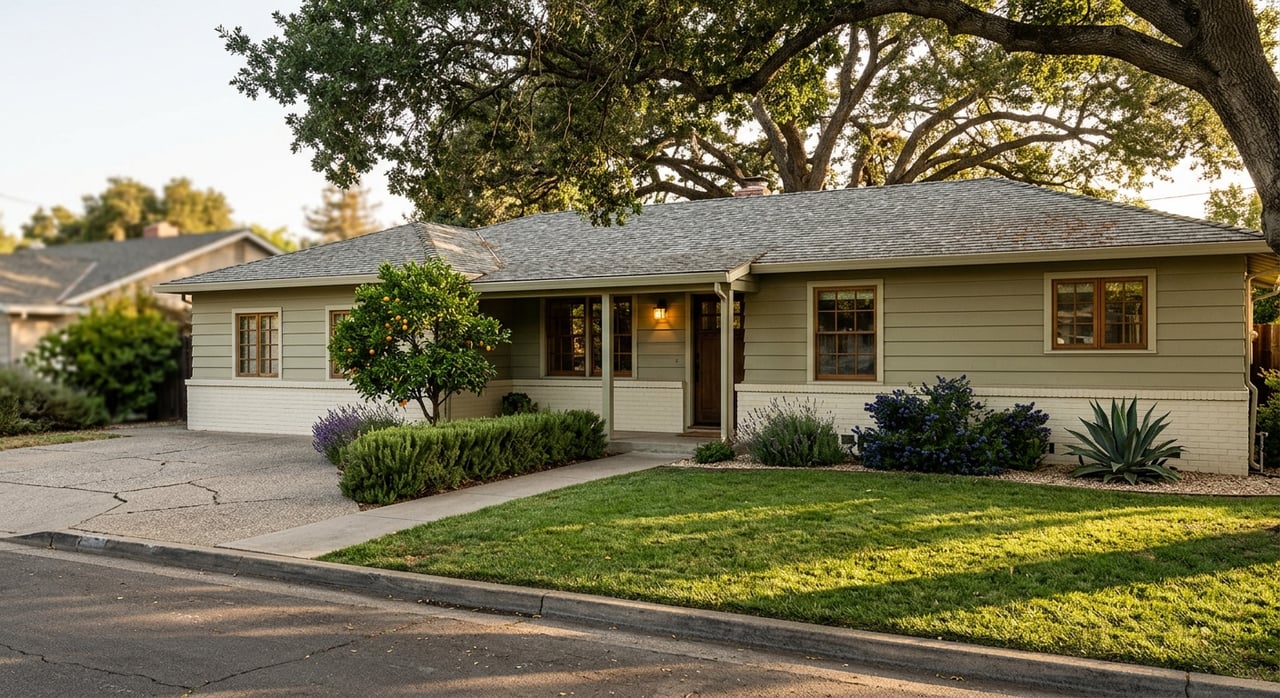
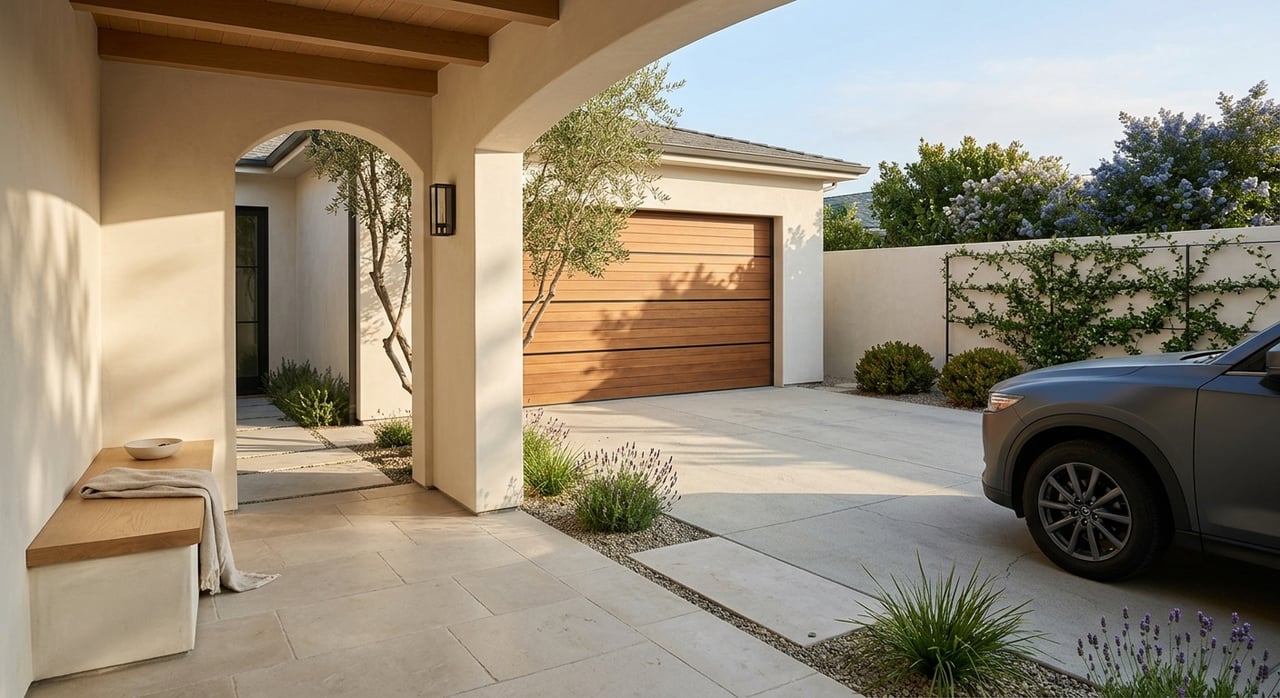
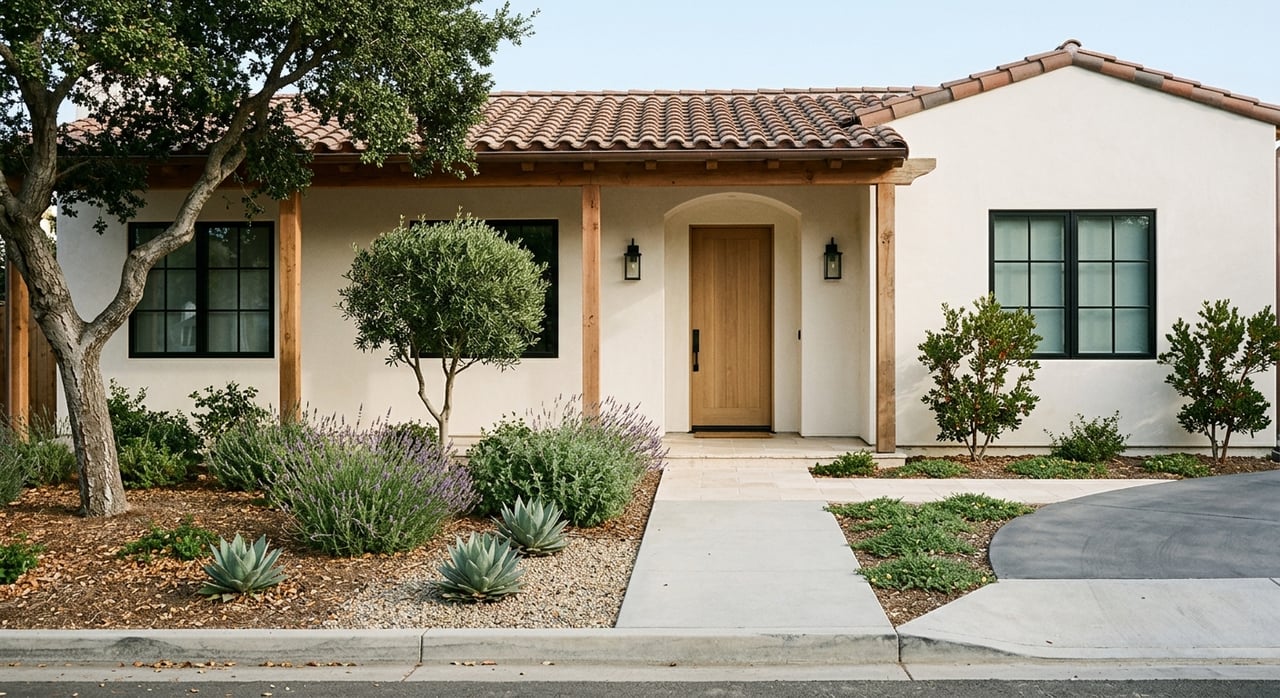
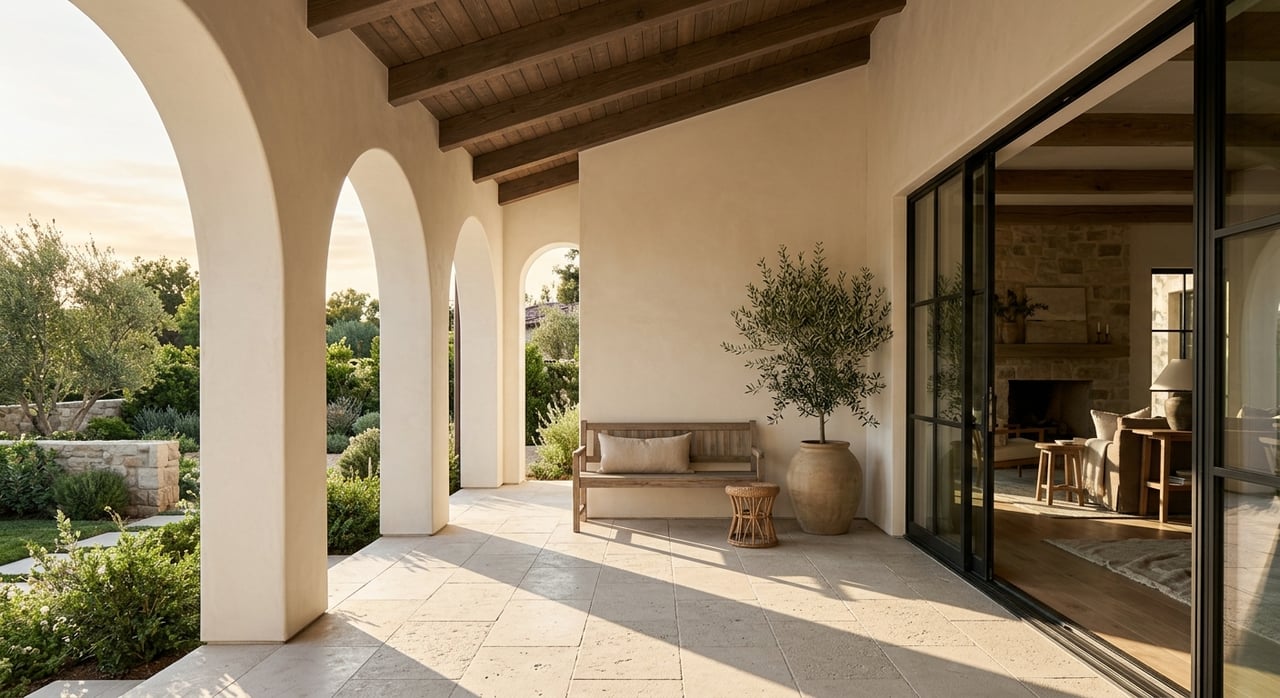
For most San Martin sellers, the first high-impact step is exterior cleanup. Buyers often see the property online before they ever step onto it, so the first impression starts at the road, the driveway entry, and the front approach.
The National Association of REALTORS reported that 92% of REALTORS recommend improving curb appeal before listing. The same report found strong cost recovery for standard lawn care, landscape maintenance, and overall landscape upgrades, which makes outdoor prep one of the most practical places to start.
On an acreage property, cleanup usually means more than basic mowing. It can include:
- Mowing and edging
- Weed control
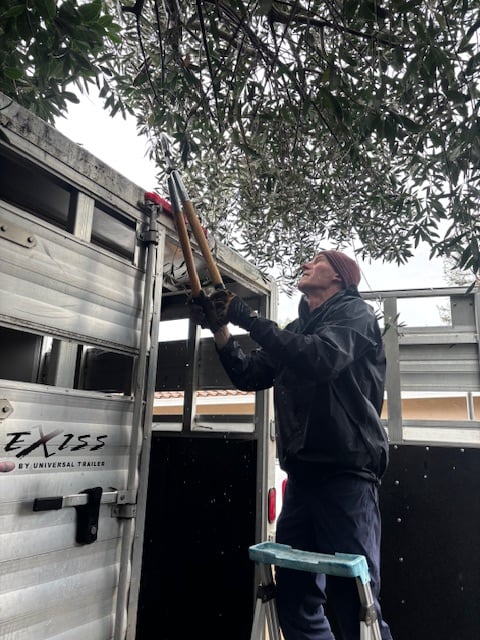
- Pruning overgrowth
- Removing dead vegetation and debris
- Cleaning roofs and gutters
- Pressure-washing patios, walkways, and hard surfaces
- Refreshing fences and gates
- Making driveway entries and parking areas look clear and intentional
The goal is simple. You want buyers to see order, usability, and care. Even a large rural parcel should feel manageable when they first arrive.
Treat exterior prep as fire readiness
In San Martin, exterior preparation can also overlap with wildfire readiness. Santa Clara County says the Wildland Urban Interface approach combines defensible space with ignition-resistant construction, and CAL FIRE says 100 feet of defensible space is required by law. CAL FIRE also says annual grasses should be cut to a maximum height of 4 inches.
Santa Clara County Fire Department guidance adds that defensible space must be maintained year-round in high or very high fire hazard severity zones. This matters for safety, presentation, and buyer confidence. A well-maintained exterior can signal that the property has been cared for with local conditions in mind.
If your home is in the WUI, AB 38 real estate inspections may also apply. That makes it even more important to prepare early and understand what condition issues or vegetation concerns could become part of the selling process.
Make the lot easy to understand
One of the biggest mistakes sellers make with acreage homes is assuming the land speaks for itself. It usually does not. Buyers need help understanding how the parcel functions.
Instead of presenting the lot as raw size alone, think about how you can show its use. Is there room for gardening, entertaining, pets, equipment storage, extra parking, or flexible outdoor living? Does the driveway support easy access? Are the open areas clearly defined and maintained so a buyer can see what is usable versus what is simply there?
This is especially important online, where many buyers first narrow their choices. If they cannot quickly understand the value of the land from the photos and description, they may move on before scheduling a showing.
Clarify outbuildings and accessory spaces
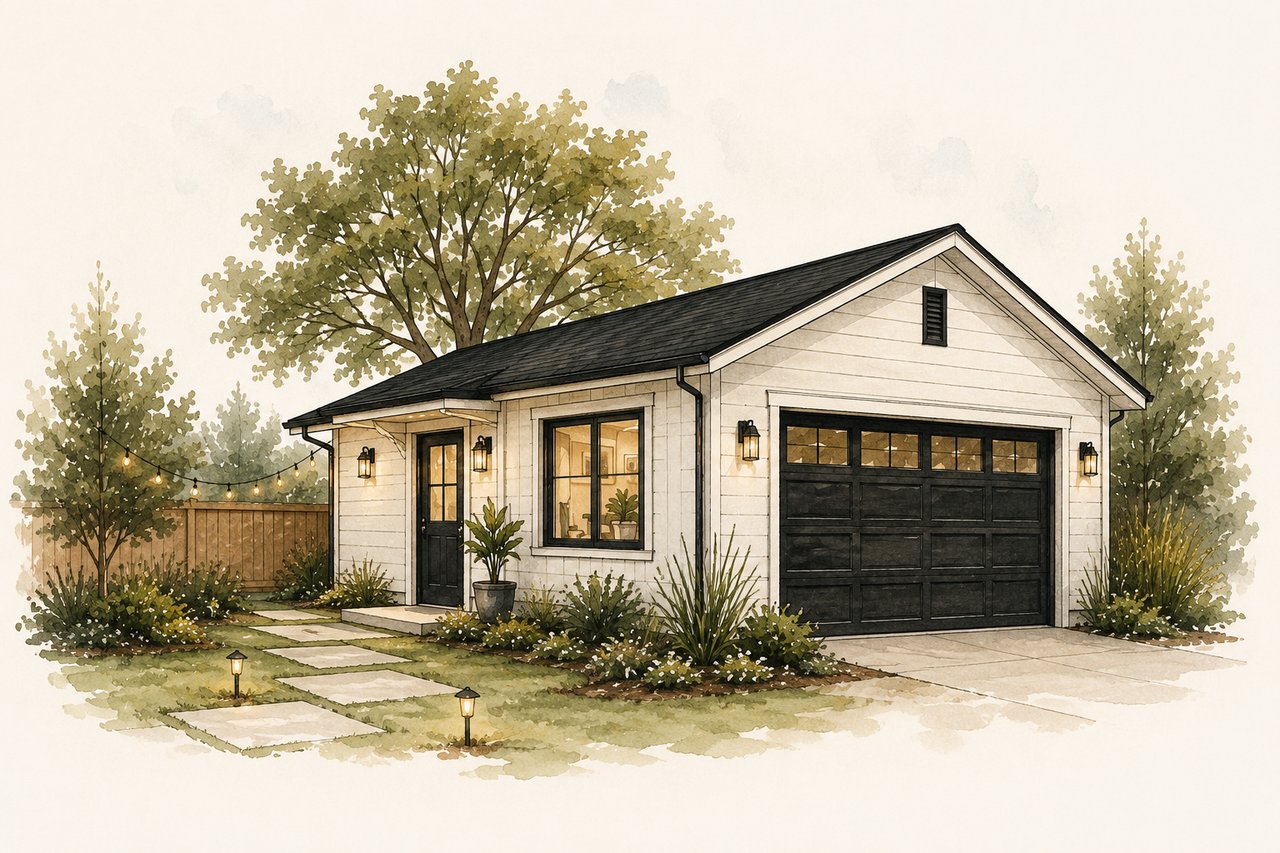
Outbuildings can add major appeal in San Martin, but only if buyers understand what they are seeing. A barn, workshop, detached garage, studio, shed, or tack room may be a real asset, yet it can also create confusion if the use, condition, or permit status is unclear.
Before listing, gather the basic facts about each structure. Buyers will often want to know where it sits on the property, how they access it, whether it has utilities, and whether it was permitted. Santa Clara County notes that a one-story detached accessory structure under 120 square feet can be exempt from a building permit, but most other construction or changes require county review.
County permit guidance also highlights the kinds of details buyers care about on rural properties, including building locations, setbacks, driveways, parking, septic tank and leach field locations, and access to fire-water resources. The more clearly you can organize this information, the easier it is for a buyer to feel confident moving forward.
Get ahead of septic and well questions
Rural systems can be a major source of buyer hesitation if they are not explained well. In San Martin, that often means septic systems and private wells.
Santa Clara County Environmental Health says sellers do not have to upgrade a septic system simply because they are selling. At the same time, the county recommends pumping and evaluating septic systems before sale disclosure. That recommendation can help you identify issues early and present the property with fewer surprises.
The county also says that any accessory structure with more than two plumbing fixtures in the unincorporated area requires its own separate septic system unless the existing main-house system is up to code and has enough capacity. If your property includes a guest-type structure, workshop with plumbing, or another improved accessory space, it is wise to understand how that setup is documented.
If your home has a private well, Santa Clara Valley Water requires a permit before drilling, repairing, modifying, or destroying the well. Its process also requires an inventory of existing water-supply wells on the property. For sellers, the key takeaway is to have your records organized so buyers can better understand the water system and the property’s existing features.
Be careful with last-minute improvements
It can be tempting to add a new driveway feature, hardscape area, or major landscape upgrade just before listing. Sometimes that helps, but on acreage properties, bigger changes can trigger additional county review.
Santa Clara County rules may require landscape permits, drainage review, or an encroachment permit near county-maintained roads, depending on the work. If you are considering pre-listing improvements, it is smart to think about timing, cost, and whether the update could create permit questions instead of adding clean value.
In many cases, the better strategy is to focus first on cleanup, safety, usability, and documentation. Those steps often do more to support buyer confidence than a rushed project.
Use staging to tell a lifestyle story
Acreage buyers are often buying into a way of living, not just a floor plan. That is why thoughtful staging matters.
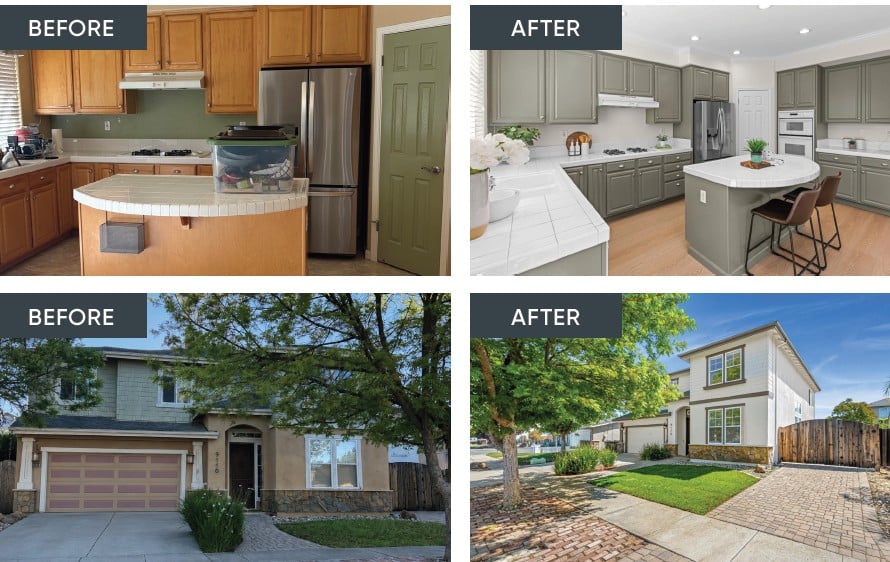
The National Association of REALTORS found in 2025 that 83% of buyers’ agents said staging made it easier for buyers to visualize a property as a future home. It also found that 49% said staging reduced time on market, and 29% reported staging increased the dollar value offered by 1% to 10%.
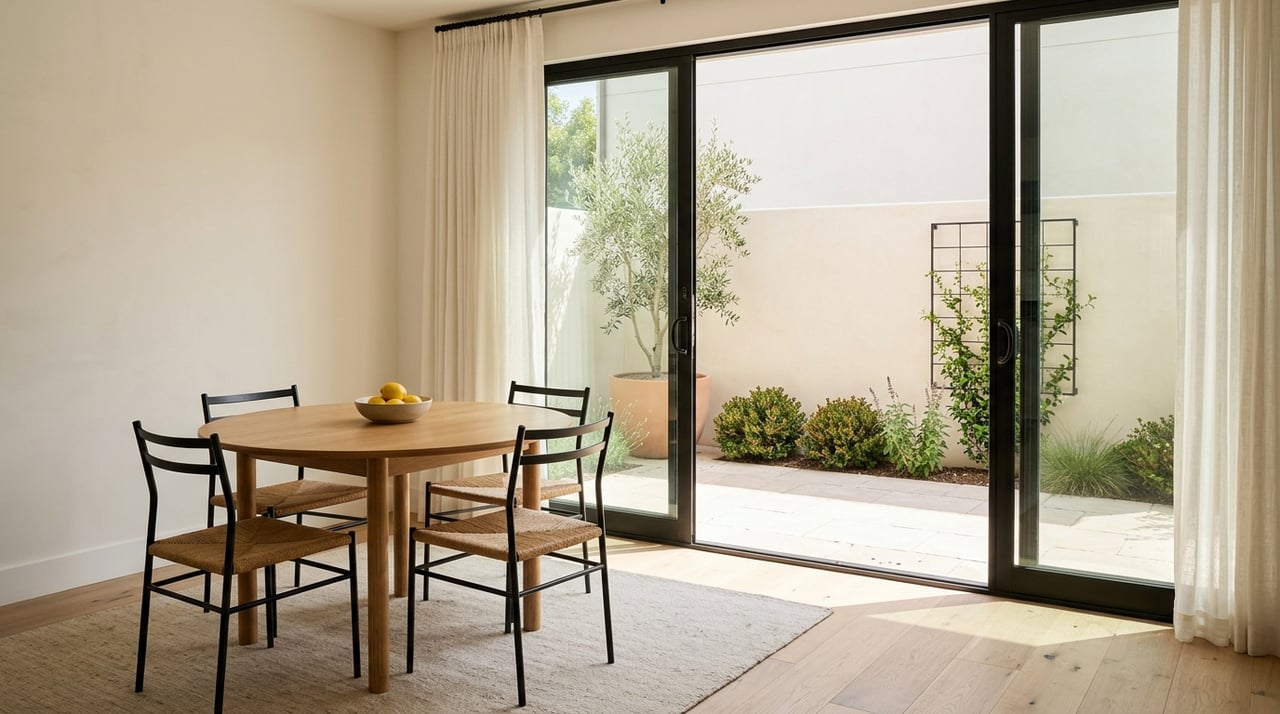
For a San Martin acreage home, staging does not need to feel overdone. It should simply help buyers understand the home’s flexibility and flow. That might mean showing a clean workshop area, a welcoming outdoor dining space, a home office setup, or a guest-ready room that helps buyers connect the property to real daily use.
Prioritize photos and video
For unique properties, great marketing starts with clear visual storytelling. NAR’s 2025 home-staging research found that buyers’ agents viewed photos, traditional staging, videos, and virtual tours as much more or more important to clients.
That matters even more in San Martin, where buyers may be trying to understand a large parcel, multiple structures, and rural systems from a screen first. Your media plan should help them make sense of the full property before they visit.
A strong approach usually includes:
- Clean, bright exterior photography
- A logical photo sequence that shows the home and land clearly
- Interior images that highlight flexible living spaces
- Coverage of outbuildings and workspaces
- Video or virtual-tour content that explains layout, access, and outdoor use
This is where professional marketing can make a real difference. When the property is presented in a polished and organized way, buyers are more likely to see the opportunity instead of feeling unsure.
Write a description that explains function
The listing description should do more than mention acreage. It should translate the property into everyday value.
For example, buyers may respond to features such as privacy, room for gardening, space for entertaining, equipment storage, flexible home office or guest areas, and usable outdoor space. NAR also reports that buyers increasingly respond to energy-efficient upgrades, flexible spaces, smart-home features, and outdoor areas that feel functional.
The key is to stay grounded in what the property actually offers. Clear, accurate language builds trust. On rural properties, trust matters because buyers are often weighing both the benefits of space and the practical questions that come with it.
Price and market the property with context
A San Martin acreage home usually needs a tailored strategy. Properties like these do not always fit neatly into a simple price-per-square-foot conversation because buyers are also valuing land usability, privacy, structures, systems, and overall presentation.
That is one reason many sellers hire an agent. Recent NAR reporting found that sellers most often want help marketing the home, pricing it competitively, and selling within a desired timeframe. For unique properties, those needs become even more important.
With the right preparation, your home can tell a more complete story from the start. That means fewer unanswered questions, stronger first impressions, and a better chance of attracting buyers who truly understand what makes the property special.
If you are thinking about selling your San Martin acreage home, a thoughtful prep and marketing plan can help you present it with clarity and confidence. For local guidance, polished marketing, and a consultative strategy built for South County properties, connect with Nancy Robinson.
FAQs
What should sellers focus on first when preparing a San Martin acreage home?
- Start with exterior cleanup, curb appeal, and land usability. For many acreage properties, mowing, weed control, pruning, debris removal, and making access points feel clear and intentional are the most important early steps.
What fire-safety issues matter when selling a San Martin rural property?
- In wildfire-prone areas, defensible space is a key issue. CAL FIRE says 100 feet of defensible space is required by law, annual grasses should be cut to a maximum height of 4 inches, and Santa Clara County Fire says defensible space must be maintained year-round in applicable fire hazard zones.
What do buyers want to know about San Martin outbuildings?
- Buyers typically want clear information about location, access, utilities, condition, and whether the structure was permitted. Barns, workshops, studios, and detached garages can add value when their purpose and documentation are easy to understand.
What should sellers know about septic systems in San Martin?
- Santa Clara County says sellers do not have to upgrade a septic system just because they are selling, but the county recommends pumping and evaluating the system before sale disclosure. That can help reduce surprises during the transaction.
What should sellers know about private wells in San Martin?
- If the property has a private well, it helps to organize records before listing. Santa Clara Valley Water requires permits for drilling, repairing, modifying, or destroying a well, and its process includes an inventory of existing water-supply wells on the property.
Why are photos and video so important for San Martin acreage homes?
- Rural properties often have land, outbuildings, and features that are harder to understand in person at first glance. Clear photography, video, and visual storytelling help buyers see how the property works before they visit.