If you are trying to choose between Gilroy’s newer neighborhoods and its established ones, the real question is not simply new versus old. It is about how you want to live day to day, what kind of home style fits your goals, and how much structure or variety you want around you. In Gilroy, both options exist, and each offers a very different experience. This guide will help you compare the tradeoffs so you can focus your search with more confidence. Let’s dive in.
How Gilroy Grew
Gilroy’s housing pattern follows a clear shape. The city’s original development began in what is now downtown, while newer growth has expanded outward into edge neighborhoods shaped by specific plans.
That matters because it helps explain why older areas often feel more mixed, varied, and close-in, while newer areas often feel more coordinated and master-planned. Gilroy’s planning documents also note that older housing tends to be lower cost than newer housing, and older city centers often include more multifamily and rental housing.
What Newer Gilroy Neighborhoods Offer
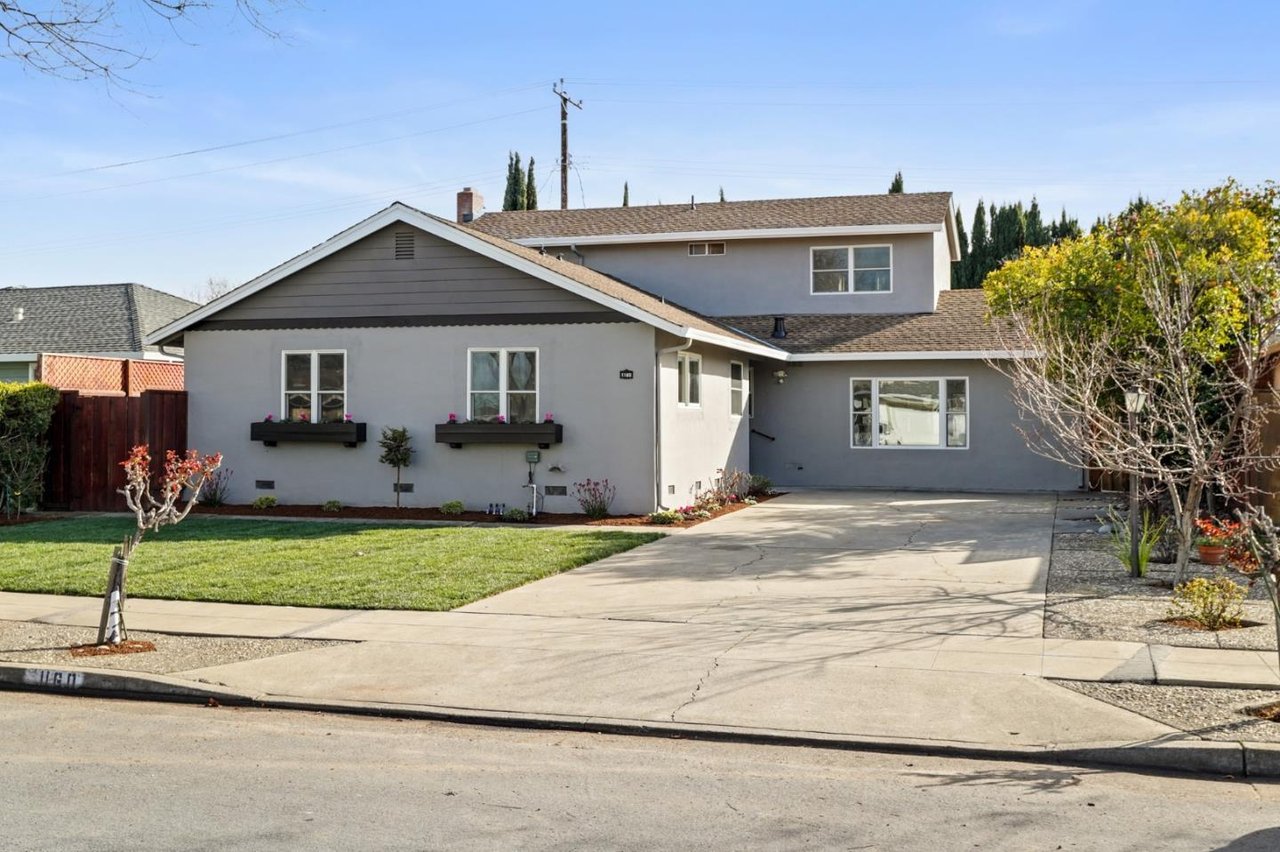
Newer neighborhoods in Gilroy often reflect a more planned, cohesive layout. Instead of growing block by block over decades, they are typically designed as larger communities with a consistent look and shared amenities.
Glen Loma Ranch Sets the Tone
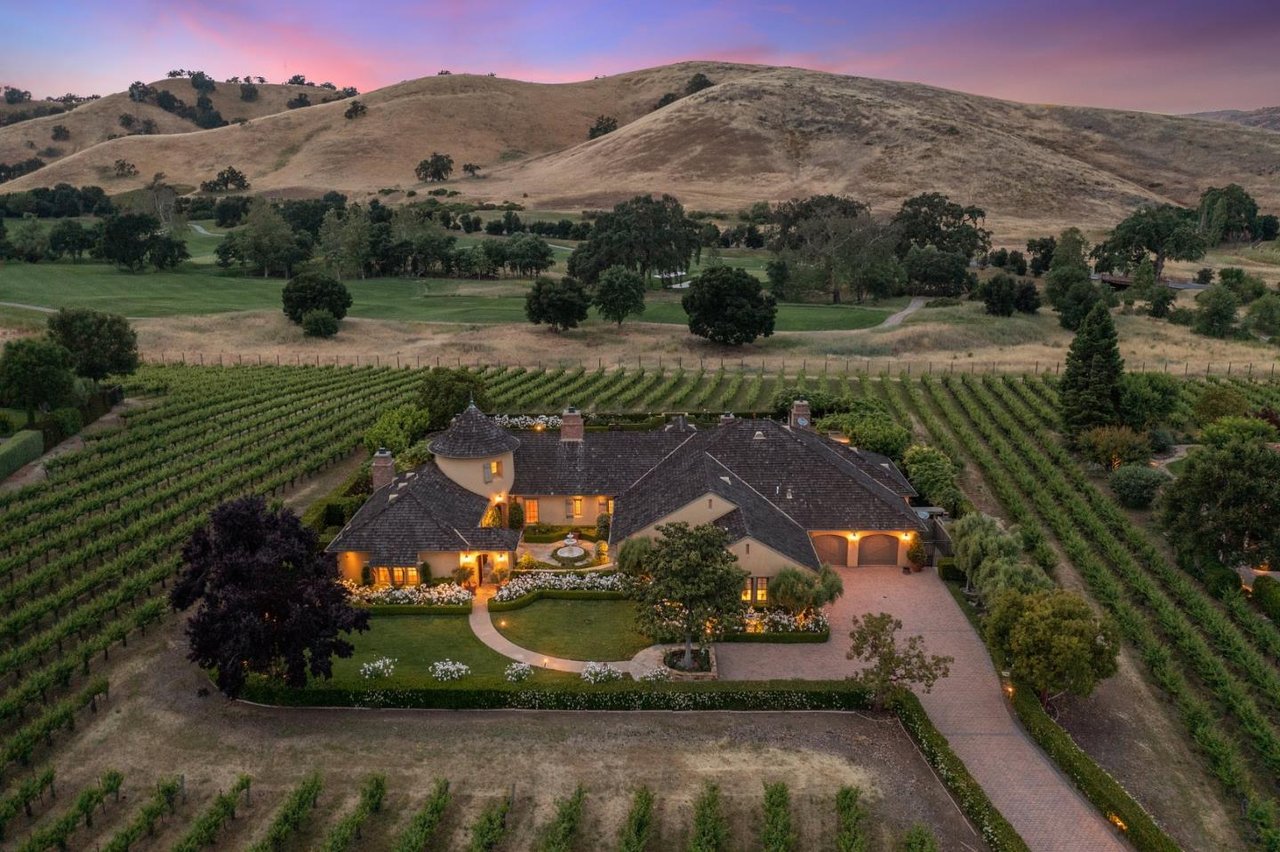
Glen Loma Ranch is one of the clearest examples of newer Gilroy development. The city describes it as a 359-acre specific-plan area in the western foothills between Santa Teresa Boulevard and Uvas Creek, with 145 acres of parks and open space, an extensive trail system, and a planned buildout of 1,467 homes.
Recent city approvals in 2025 added neighborhoods such as Canyon Creek, Rocky Knoll, Malvasia, and Town Center Flex. The Town Center Flex map would create 42 single-family duet lots on about 6.7 acres, which shows that newer Gilroy includes a range of housing formats.
More Coordinated Design
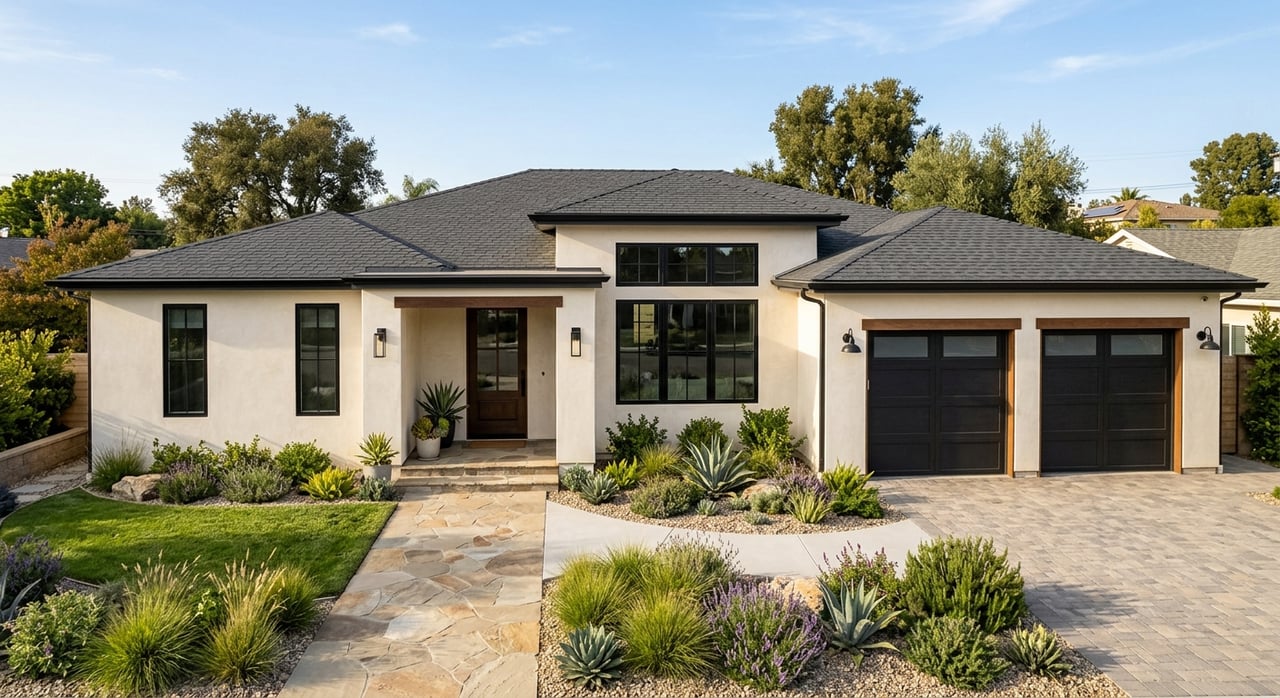
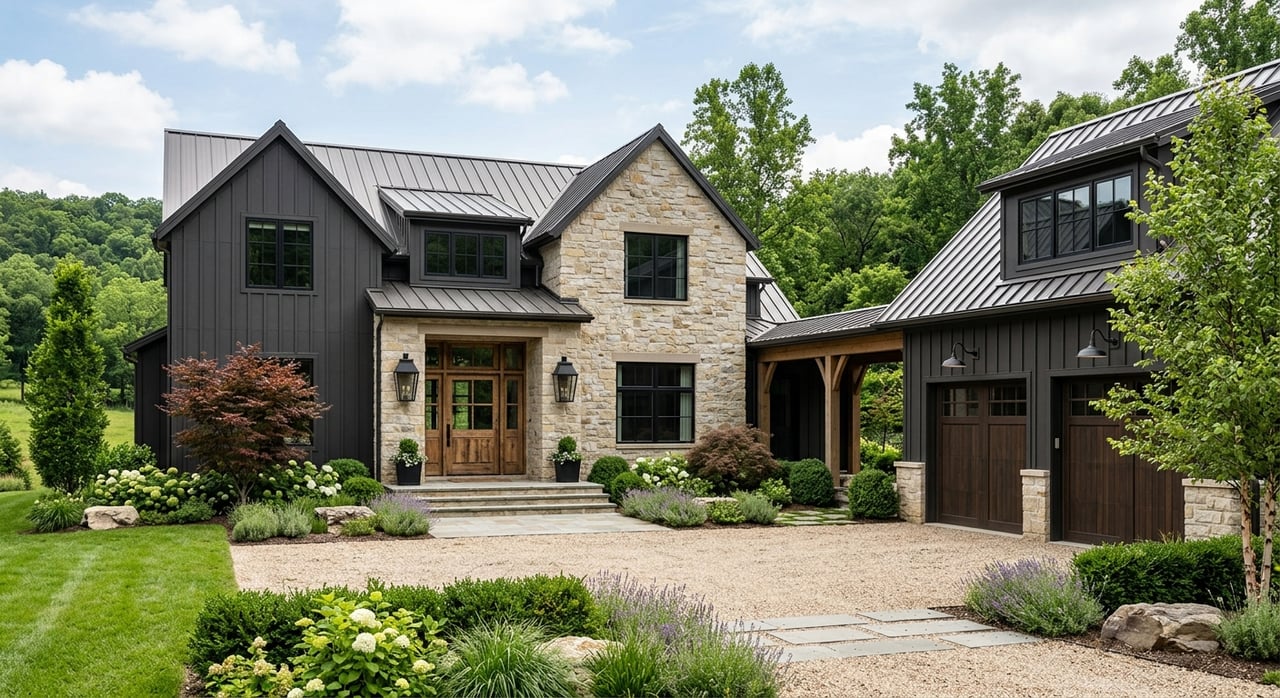
One defining feature of newer subdivisions is visual consistency. Builders often use a curated architectural palette, which creates a more uniform streetscape than you usually find in older parts of town.
At Brix at Glen Loma Ranch, for example, advertised home designs range from 2,848 to 3,521 square feet and use Spanish Colonial, Craftsman, and Prairie elevations. For you as a buyer, that can mean a more contemporary suburban feel and a neighborhood that looks intentionally designed from the start.
Smaller and More Compact Lots
Newer neighborhoods do not always mean larger lots. In some cases, they are actually more compact than older single-family areas in Gilroy.
A 2017 Glen Loma agenda item said Palomino would include 33 single-family lots ranging from about 3,400 to 5,100 square feet, along with private streets and HOA-maintained open space. If you want lower exterior upkeep and shared community features, that setup may appeal to you.
Not All New Construction Is Compact
At the same time, newer Gilroy is not one-size-fits-all. Some newer projects are aimed at buyers who want more space and a different layout.
The approved Ren Fu Villa project at Miller and Santa Teresa would divide a 37.54-acre hillside site into 54 lots, including 39 market-rate tract homes, 14 custom homes, and a clubhouse. That tells you newer construction in Gilroy can span from compact duet-style homes to more estate-oriented properties.
What Established Gilroy Neighborhoods Offer
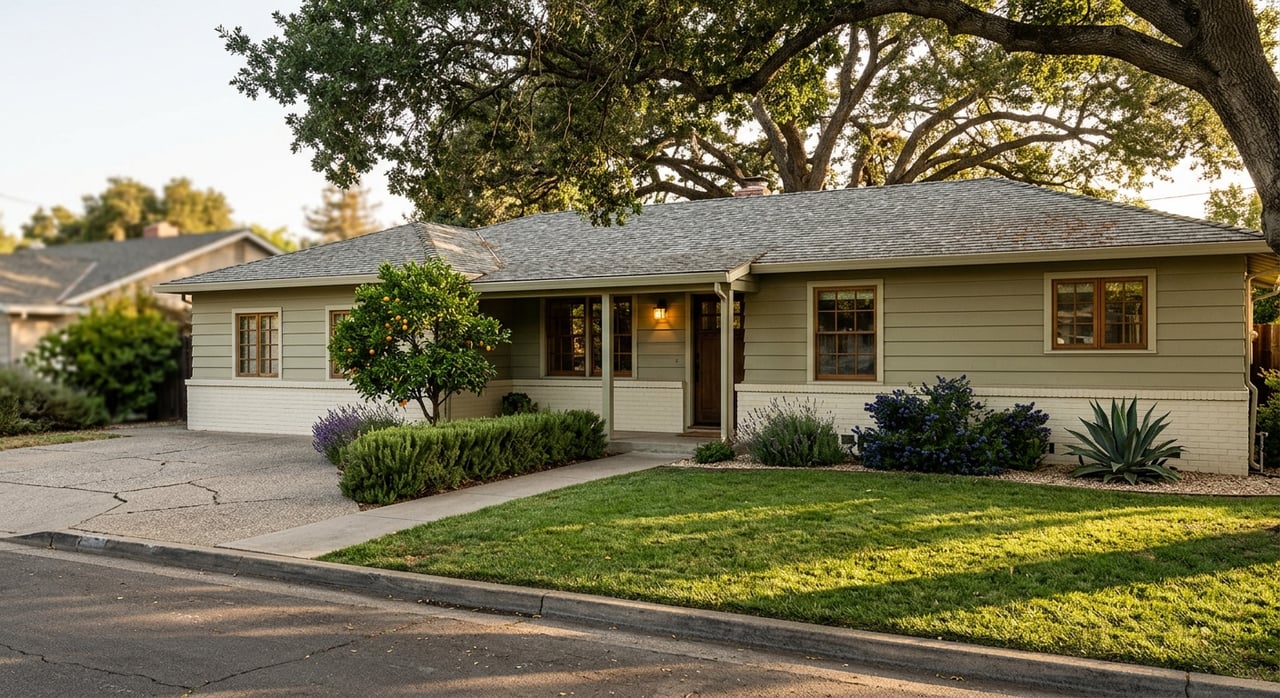
Established neighborhoods in Gilroy tend to feel more organic. They developed over time, often closer to downtown, and that history shows up in the street layout, home styles, and mix of uses.
Downtown Shapes the Older Core
The city says the original Gilroy began in what is now downtown. Today, the Downtown Specific Plan is intended to support an economically vibrant, pedestrian-oriented district that serves residents and visitors.
Downtown Gilroy is described by the city as the heart of the community, with walkable character, historic charm, and a mix of restaurants, shops, services, and entertainment. If you like a more connected, close-in setting, established neighborhoods near the core may feel more natural to you.
More Architectural Variety
Older Gilroy neighborhoods are often much less uniform than newer subdivisions. The city’s historic context statement documents a wide range of residential styles, including Carpenter Gothic, Italianate, Queen Anne, Colonial Revival, Craftsman, Tudor Revival, Prairie, Ranch, Mid-Century Modern, Minimal Traditional, and Contemporary.
These styles appear across streets such as Church, Eigleberry, Rosanna, Hanna, Carmel, Railroad, Fifth, and Princevalle. In practical terms, that means older neighborhoods can feel more distinctive from one block to the next.
Typical Lots May Be Larger
If lot size is important to you, established neighborhoods may deserve a closer look. Gilroy’s General Plan says typical lots in single-family detached areas range from 5,000 to 7,000 square feet.
That does not mean every older home sits on a larger parcel, but it is a useful benchmark when comparing older detached homes with newer compact-lot subdivisions. If you want a more traditional yard setup, older areas may offer more options.
More Mixed Housing Types
Established neighborhoods also tend to include a broader mix of housing types. Gilroy’s Housing Element says older city centers often contain more multifamily and rental housing because those development patterns were more efficient at the time they were built.
That mix can create a different feel than a newer subdivision where homes were built under one plan. Depending on your preferences, that may come across as more flexible and varied or simply less uniform.
The Biggest Lifestyle Tradeoffs
When you compare newer and established neighborhoods in Gilroy, the best way to decide is to focus on daily living. Most buyers are really choosing between two different neighborhood experiences.
Planned Open Space vs. Closer-In Access
In newer west-side neighborhoods, daily life may revolve more around internal parks, trails, and open space. Glen Loma Ranch specifically ties its trail system to neighboring areas and to Christmas Hill Park and Uvas Creek Park Preserve.
In established areas, the draw is often the closer-in location and the downtown street network. If you picture yourself enjoying a more pedestrian-oriented environment with shops, services, and older blocks nearby, the established side of Gilroy may line up better.
HOA Structure vs. Block-by-Block Variety
Some newer neighborhoods come with more shared standards and community management. Glen Loma planning documents specifically assign private streets and private open space to HOA maintenance in some sections.
Established neighborhoods operate differently. They are shaped more by city plans, zoning, and in some places historic-resource rules, which creates a more block-by-block feel rather than a single master-planned identity.
Consistency vs. Character
Newer neighborhoods often give you a cleaner, more predictable look. Home styles, streetscapes, and open spaces may feel more coordinated, which some buyers strongly prefer.
Established neighborhoods usually offer more variation. You may find a wider mix of home ages, architectural styles, and housing types on the same drive through the area.
Budget and Home Type
Gilroy’s Housing Element suggests older housing tends to be lower cost than newer housing. Still, that does not mean older always equals cheaper or that newer always means smaller.
Gilroy’s current development pattern includes compact duet lots, larger single-family homes, attached townhomes, and custom-home opportunities. On the established side, it also includes infill projects such as the approved 95 Howson Street townhomes in the Downtown Specific Plan Gateway District, with unit sizes from 1,430 to 1,900 square feet.
A Simple Way to Narrow Your Search
If you are deciding where to focus in Gilroy, start by asking yourself a few practical questions:
- Do you want a neighborhood that feels more planned and uniform, or more varied and organic?
- Would you rather be near trails, parks, and open space within a newer community, or closer to downtown’s walkable core?
- Are you comfortable with HOA-managed features like private streets and shared open space?
- Is architectural variety important to you, or would you prefer a more consistent streetscape?
- Are lot size and yard space a priority in your search?
These questions can help you sort through listings faster and avoid chasing homes that do not match the way you actually want to live.
Why This Comparison Matters
In Gilroy, there is no single “best” neighborhood style. The better fit depends on your priorities, your budget, and what you want your routine to look like after move-in.
Some buyers want the polished feel of a newer community with planned amenities and a contemporary layout. Others are drawn to the character, variety, and closer-in location of established neighborhoods near downtown. Many end up considering both once they understand what each side of Gilroy really offers.
If you want help comparing homes, neighborhoods, and day-to-day tradeoffs in Gilroy, reach out to Nancy Robinson. You will get clear, local guidance so you can make a confident move.
FAQs
What is the main difference between newer and established neighborhoods in Gilroy?
- Newer Gilroy neighborhoods are often more master-planned, with coordinated design, parks, trails, and in some cases HOA-managed features, while established neighborhoods are typically closer to downtown and offer more architectural variety and mixed housing types.
Are newer homes in Gilroy always on larger lots?
- No. Some newer subdivisions include compact lots, such as Palomino lots ranging from about 3,400 to 5,100 square feet, while Gilroy’s General Plan says typical single-family detached lots range from 5,000 to 7,000 square feet.
Do established Gilroy neighborhoods only include older homes?
- No. Established areas can also include newer infill housing, such as the approved 95 Howson Street townhome project in the Downtown Specific Plan Gateway District.
What is Glen Loma Ranch in Gilroy?
- Glen Loma Ranch is a 359-acre specific-plan area in Gilroy’s western foothills with parks, open space, trails, and a planned buildout of 1,467 homes.
Are older neighborhoods in Gilroy usually more affordable?
- Gilroy’s Housing Element says older housing tends to be lower cost than newer housing, but actual price and value still depend on the specific home, lot, location, and condition.
How should I choose between Gilroy neighborhood types as a buyer?
- Start by comparing your priorities around location, lot size, home style, neighborhood structure, and how you want daily life to feel, then narrow your search based on which setting matches those goals best.