Dreaming about a little more land, a little more privacy, and a little more breathing room? If San Martin is on your radar, you are not alone. This rural pocket of South Santa Clara County can offer a very different lifestyle from nearby suburban neighborhoods, but buying here comes with property-specific details you will want to understand before you fall in love with a home. Let’s dive in.
Why San Martin appeals to retreat buyers
San Martin sits in the south Santa Clara Valley between Morgan Hill and Gilroy. It is an unincorporated rural community, and Santa Clara County treats it as a distinct planning area with special land-use policies.
That matters because a San Martin property can feel more flexible than a typical suburban lot, but it is not a blank slate. County policy generally limits development outside urban service areas to lower-density, non-urban uses so rural character and natural hazards can be managed.
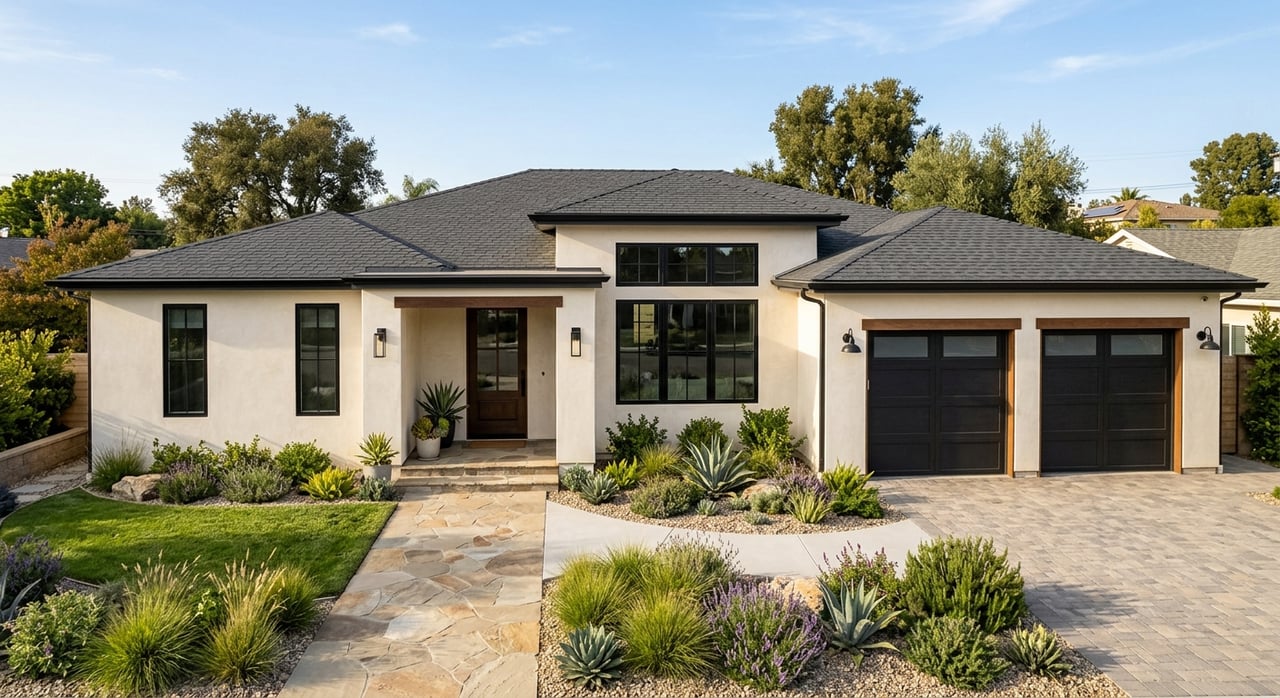
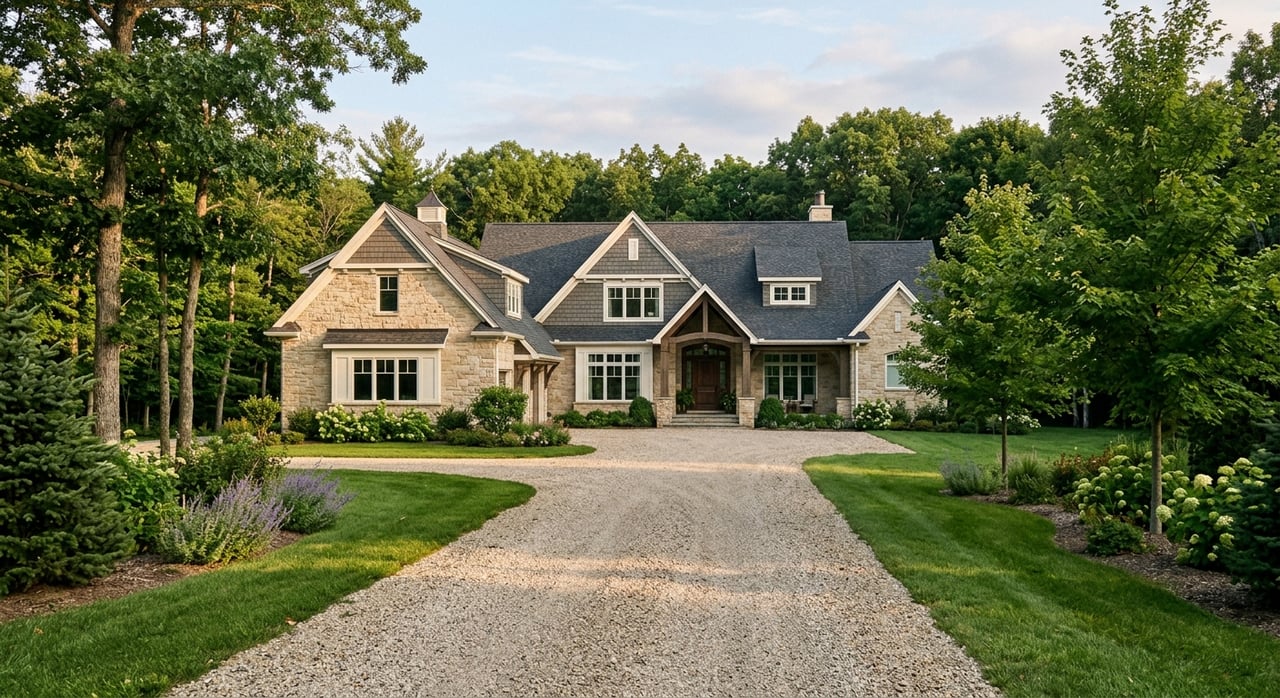
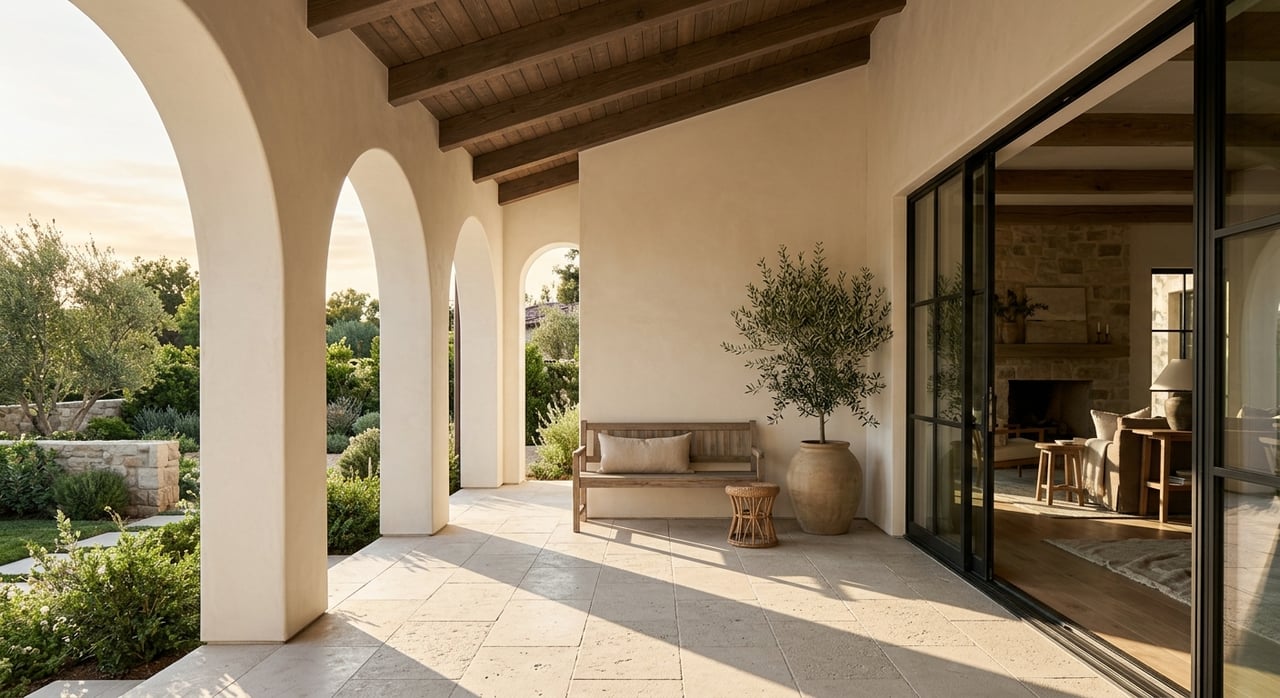
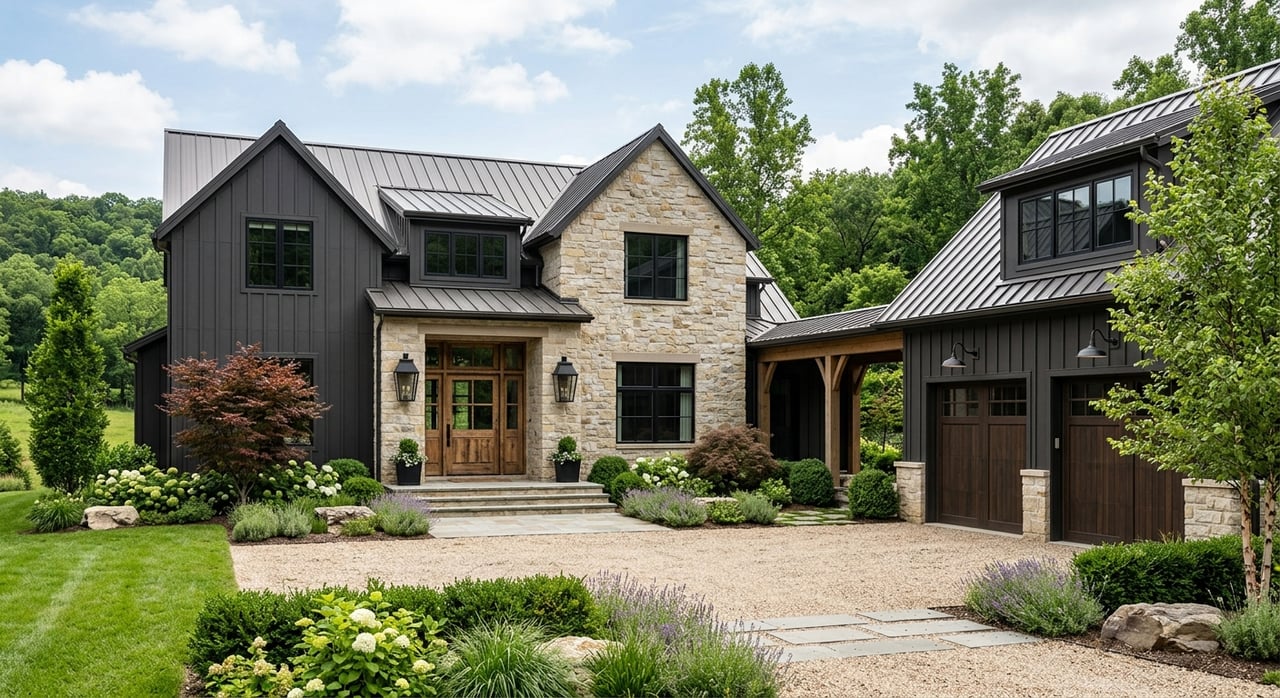
For you as a buyer, that creates part of San Martin’s appeal. You may find single-family homes on acreage, estate-style properties, parcels with room for outbuildings, or properties tied to agricultural or hobby uses.
What a “country retreat” can mean here
San Martin supports several versions of country living. The current planning pipeline includes single-family homes, ADUs, winery and tasting-room projects, horse stables, landscaping retail, and other rural commercial or storage uses.
In practical terms, your idea of a retreat might be:
- A primary home with more space and privacy
- A second home used part of the year
- A property with guest space potential
- A hobby-farm style parcel
- An estate property with barns or accessory structures
The key is that each parcel can have different rules and constraints. In San Martin, two homes that look similar online may offer very different long-term options once you verify zoning, utilities, setbacks, and development standards.
Start with parcel-level research
If you are serious about a property in San Martin, the first stop should be Santa Clara County’s Property Explorer. It helps verify the parcel’s jurisdiction, zoning, general plan designation, and development constraints by address or APN.
This step is especially important in a rural market. A listing may highlight acreage or extra space, but parcel-level research helps you understand what you can actually do with that land.
Before you move forward, confirm:
- Zoning and general plan designation
- Whether special use rules apply
- Development constraints on the parcel
- Whether the site is in unincorporated county jurisdiction
- Whether floodplain, riparian, or tree rules may affect plans
This is one of the biggest differences between buying in San Martin and buying in a more typical subdivision. You are not just evaluating the house. You are evaluating the land, the systems, and the rules attached to both.
ADUs, barns, and outbuildings need verification
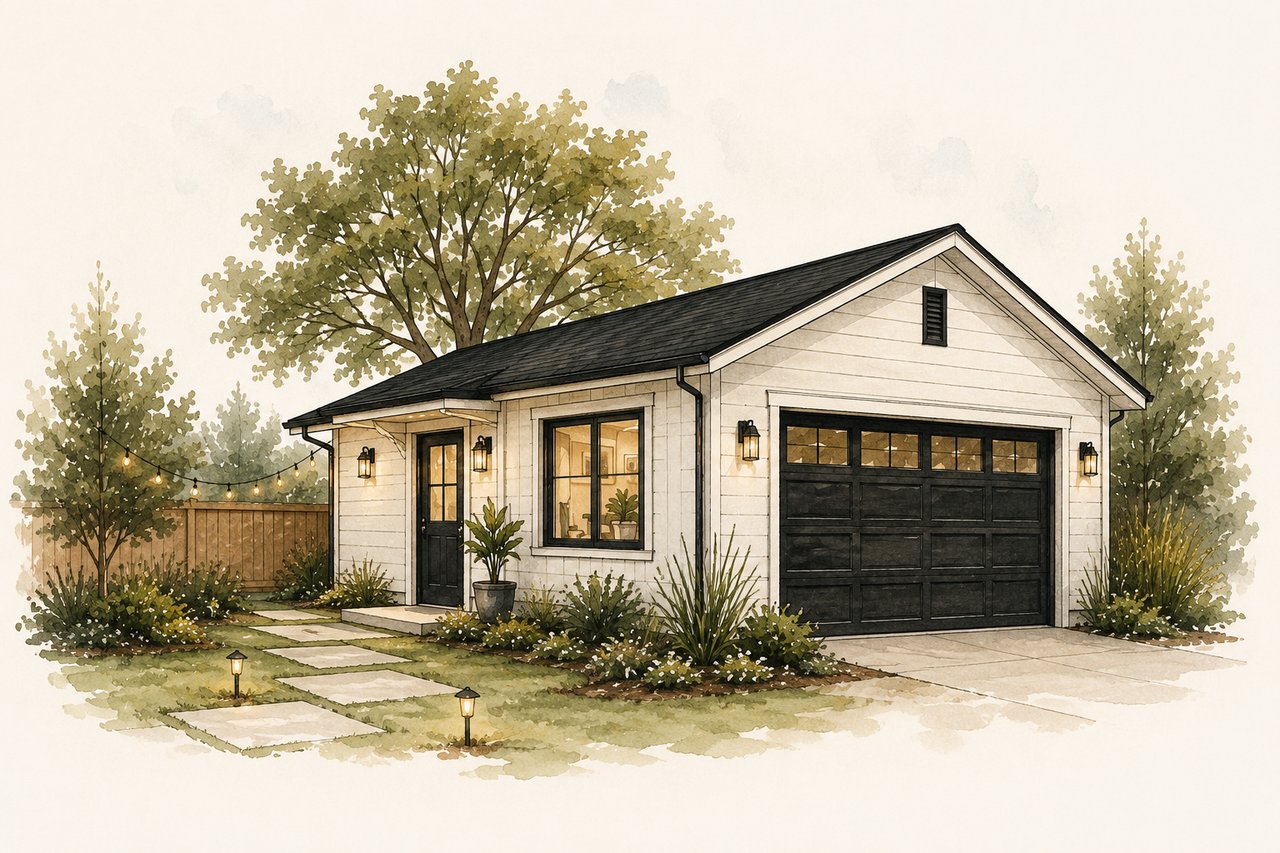
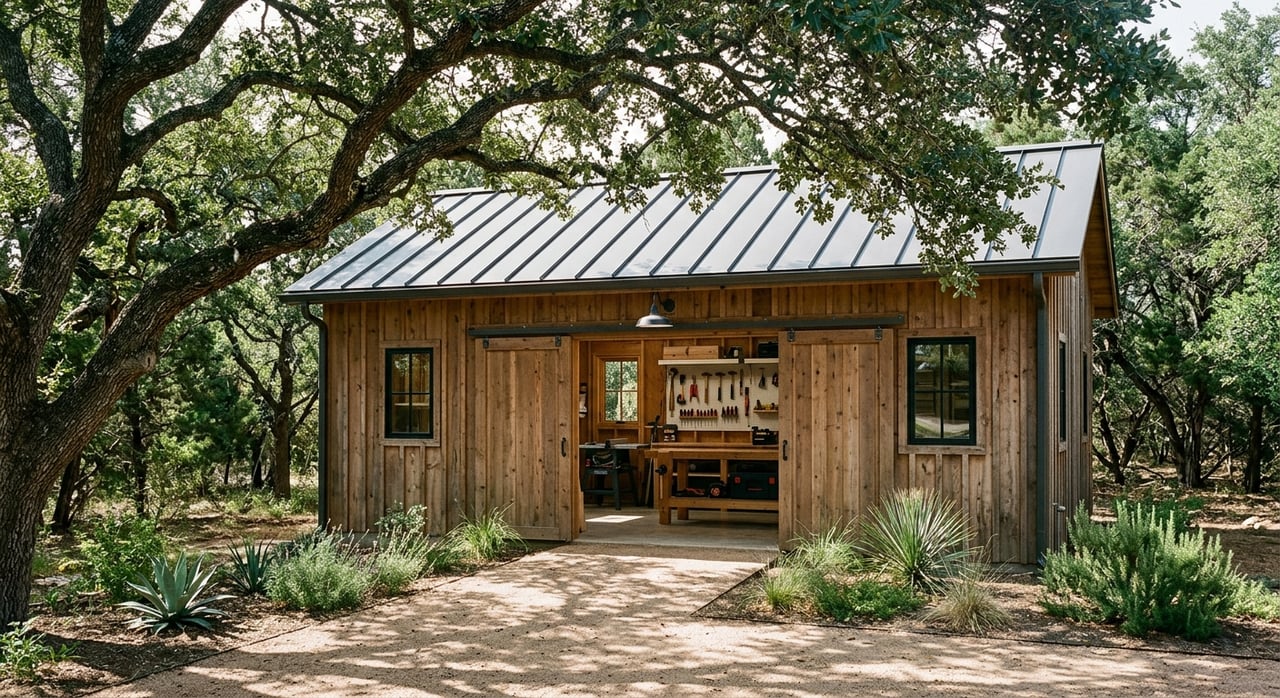
Many buyers look at San Martin because they want more than a house. You may be thinking about guest space, an ADU, a barn, a workshop, or extra storage buildings.
Santa Clara County says ADU rules can vary by lot size and rural district. Accessory structures such as sheds, barns, carports, patio covers, and water tanks can also be subject to different height and setback standards.
That means you should not assume an existing structure is fully aligned with your future plans, or that a large parcel automatically allows every improvement you have in mind. If a property’s value to you depends on adding space or structures later, verify those possibilities early.
Water and septic deserve early attention
In rural property searches, water and wastewater should move to the top of your checklist. Service is not uniform across San Martin.
The San Martin County Water District serves only a small area along San Martin Avenue east of Monterey Road. For parcels outside that limited footprint, confirming the water source becomes even more important.
Santa Clara County requires Environmental Health clearance before drilling a new well or spring. New development served by septic, or onsite wastewater treatment systems, also requires County review and approval.
For you, that means asking specific questions early:
- Is the property on district water, a private well, or another source?
- Is the property served by septic?
- Are there records on system condition, permits, or approvals?
- Will your future plans trigger additional review?
On rural properties, these are not side issues. They can shape cost, usability, timing, and even whether your plans are realistic.
Creeks, floodplains, and setbacks can affect use
A peaceful rural setting sometimes comes with natural constraints. In San Martin, creek-adjacent parcels and floodplain locations may require extra review.
The County has a special riparian setback rule for San Martin that requires at least a 30-foot setback from the top of stream bank or riparian vegetation for covered ground-disturbing work. If a parcel is in a mapped floodplain, County floodplain permits and elevation standards may also apply.
This does not automatically make a property a bad fit. It simply means that where you place improvements, how you plan landscaping, and what future changes are possible may need closer evaluation.
Agricultural restrictions may limit future changes
Some San Martin parcels may be subject to added restrictions beyond zoning. If land is part of a Williamson Act contract or an open-space easement, development can be constrained further because those programs are intended to preserve agricultural land or keep certain lands undeveloped.
This is one of those details that can surprise buyers if it is discovered late. If your vision includes expanding the home, building new structures, or changing the use of the land, this should be confirmed during due diligence.
Commute and access are still part of the decision
A country retreat can feel wonderfully removed, but daily logistics still matter. San Martin does have some transit options through San Martin Station, including VTA connections and Caltrain’s South County Connector.
Even so, the area remains primarily car-oriented for everyday living. Current route planners place San Martin about 25 to 27 miles from San Jose, with typical drive times around 27 to 31 minutes under normal conditions.
San Francisco is much farther, at about 73 miles and roughly 1 hour 20 minutes by car. Mineta San Jose International Airport is about 30 miles from the center of San Martin.
If commute time is part of your lifestyle equation, test the exact drive at the times you would actually travel. Rural peace feels different when you have confidence about the real-world routine.
Insurance and fire planning should happen early
Ownership costs in a rural setting often go beyond the mortgage payment. Fire exposure, insurance availability, and property maintenance deserve a realistic look from the start.
Since July 1, 2025, Santa Clara County Fire Department has provided fire and emergency medical services to the area previously covered by the South Santa Clara County Fire District, including San Martin. California wildfire guidance also emphasizes defensible space and vegetation management as key ways to reduce loss.
For a San Martin property, this can affect both upkeep and insurance conversations. Compared with a suburban home, you may need to budget more for vegetation management, drainage, access upkeep, and ongoing site monitoring.
The California Department of Insurance says the FAIR Plan is a last-resort option for consumers who cannot obtain standard coverage, and that it provides limited core coverage unless additional coverage is purchased. For that reason, it is smart to request insurance quotes early and ask how wildfire-hardening improvements may affect your options.
New construction may have different utility expectations
If you are considering building, rebuilding, or making major improvements, utility rules matter too. Santa Clara County says all new construction in unincorporated County areas must use electricity, not natural gas, for major end uses such as water heating, space heating, cooking, clothes drying, fireplaces, and decorative appliances.
If your retreat vision includes a custom home or significant renovation, this is worth understanding before budgeting. It can affect design decisions, system planning, and total project cost.
Financing a second-home purchase takes planning
Some buyers consider San Martin for part-time use rather than full-time occupancy. If you are exploring that path, it helps to discuss the property type with your lender early.
Fannie Mae’s second-home guidance says the property must be a one-unit dwelling suitable for year-round occupancy, be occupied by the borrower for some part of the year, remain under the borrower’s exclusive control, and not operate as a rental property or timeshare. Also, a preapproval letter is only a tentative lender statement and typically expires after 30 to 60 days.
That means rural retreat shopping should be paired with updated lender conversations, not just a one-time preapproval at the beginning of the search. Property type, intended use, and timing can all matter.
A practical San Martin buyer checklist
Before you write an offer on a country retreat in San Martin, try to have clarity on these items:
- Parcel zoning and general plan designation
- Water source and service area status
- Septic or wastewater setup and approvals
- Floodplain or creek-adjacent conditions
- Riparian setbacks or other land-use constraints
- ADU or accessory structure rules
- Easements, Williamson Act contracts, or open-space restrictions
- Insurance options and likely maintenance costs
- Real commute times for your routine
- Whether the property fits your financing category
This kind of preparation does not take the romance out of buying rural property. It protects it. When you know what you are buying, you can move forward with more confidence and fewer surprises.
Why local guidance matters in San Martin
San Martin can be an excellent fit if you want space, privacy, and a more rural pace while staying connected to South County and the Silicon Valley corridor. But it is also a market where details matter at the parcel level.
That is why a consultative approach is so important. You want to look beyond the photos and acreage count and understand how zoning, utilities, setbacks, insurance, and access shape the property in real life.
If you are weighing a San Martin retreat, the right guidance can help you narrow the field, ask better questions, and make a decision that fits both your lifestyle and your long-term plans. When you are ready to explore San Martin with a local, steady hand, connect with Nancy Robinson.
FAQs
What makes San Martin different from nearby suburban markets?
- San Martin is a rural unincorporated community in south Santa Clara County, so buyers often need to evaluate not just the home but also parcel-level zoning, water, septic, setbacks, and other land-use constraints.
What should buyers verify before buying land or acreage in San Martin?
- Buyers should start with Santa Clara County Property Explorer to confirm zoning, general plan designation, jurisdiction, and development constraints, then review water, septic, floodplain, riparian, and accessory-structure issues tied to the specific parcel.
Can you build an ADU or barn on a San Martin property?
- Possibly, but Santa Clara County says ADU rules vary by lot size and rural district, and accessory buildings like barns, sheds, and carports can be subject to different setback and height standards.
How far is San Martin from San Jose for a commute?
- Current route planners place San Martin roughly 25 to 27 miles from San Jose, with drive times around 27 to 31 minutes in normal conditions, but you should test the drive at your actual commute times.
Are all San Martin properties on public water service?
- No. The San Martin County Water District serves only a small area, so many parcels require careful verification of the actual water source and any related approvals.
What insurance concerns should buyers consider for a San Martin country retreat?
- Buyers should get insurance quotes early, ask about wildfire-related coverage options, and plan for ongoing costs tied to vegetation management, defensible space, drainage, and other rural property maintenance needs.