Wondering if you can get more space without giving up access to San Jose? That is the core question behind a move to Gilroy for many South Bay buyers. If you are weighing commute reality against day-to-day livability, this guide will help you understand where Gilroy fits, what the tradeoffs look like, and who tends to benefit most from making Gilroy home. Let’s dive in.
Why Gilroy stands out
Gilroy offers a different feel from the denser parts of the South Bay. The city has about 60,390 residents, and its 2040 General Plan preserves rural and agricultural land, hillsides, creek corridors, and an urban growth boundary outside the main urbanized area.
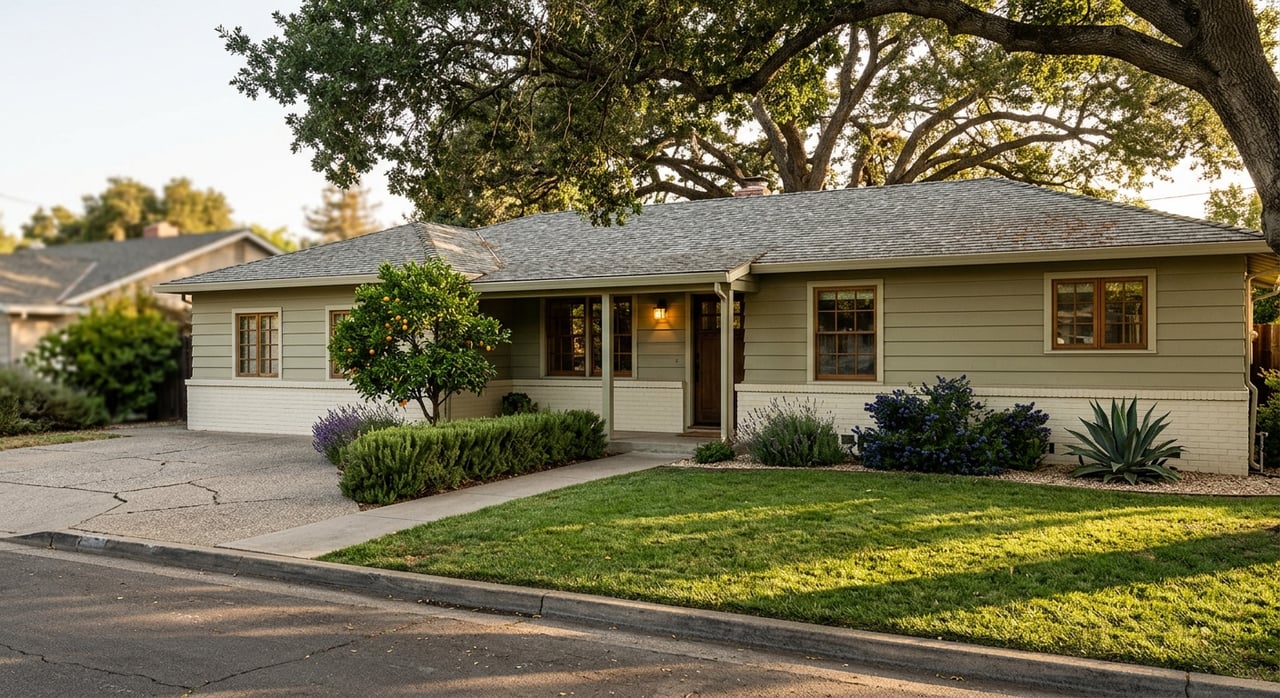
That planning framework helps explain why Gilroy often feels more open and lower-density than the core South Bay. For many buyers, that can translate into a stronger sense of breathing room, more yard space, and a slower residential pace.
Gilroy is also close enough to stay connected to San Jose while still feeling separate from it. A Caltrans corridor study describes Gilroy as being about 30 miles from Diridon Station and downtown San Jose, which makes the city a realistic base for some commuters, but not a casual one.
What the commute really means
If you are considering Gilroy, the commute is not just about distance. It is about how much schedule structure you can tolerate and how often you need to be in the office.
For some households, especially hybrid workers, that tradeoff can make sense. For others who need short, highly predictable daily trips, Gilroy may feel too far from the core.
Driving routes from Gilroy
Gilroy commuters usually rely on highway-based travel. The city’s circulation plan identifies US-101 as the key north-south corridor, while Monterey Road serves as the original Highway 101 and continues north into Morgan Hill and San Jose.
Highway 152 is also a major route, but it matters more for east-west access and regional connection than for a direct South Bay commute. In practical terms, most Gilroy-to-San Jose commuters are heading north on US-101 or using Monterey Road as a local spine.
This matters because driving from Gilroy tends to work best when your work schedule can absorb some variability. If you need to be flexible and you are comfortable planning around corridor traffic patterns, the location can be workable.
Transit options to San Jose
Driving is not your only option. Gilroy also has transit choices that can support a South Bay commute, especially if your workday lines up well with published schedules.
Caltrain’s South County Connector provides weekday commuter rail service with four round trips between Gilroy and San Jose Diridon each weekday, except holidays and modified schedule days. That makes it a useful option for commuters with a fixed start and end time, but it is not an all-day, high-frequency rail setup.
VTA Route 68 is another direct choice between San Jose Diridon and the Gilroy Transit Center. VTA classifies it as a frequent route, and its schedule includes weekday, Saturday, and Sunday or holiday service, giving you more flexibility across the week than Caltrain commuter rail.
The biggest difference is simple. Caltrain is the more commuter-focused rail option, while VTA Route 68 gives you a more flexible bus alternative. Neither works like a dense urban transit network, so your schedule still matters.
Who Gilroy works best for
Gilroy can be a smart home base, but not for everyone. The best fit usually comes down to your work pattern, your daily priorities, and how you define convenience.
Hybrid workers and fixed-schedule commuters
If you commute a few days a week instead of five, Gilroy often becomes easier to justify. The extra space and more open setting can feel like a strong trade for fewer office trips.
It can also work for people with fixed schedules who can consistently plan around Caltrain or VTA service. If your job is near Diridon, downtown San Jose, or along the Monterey Road corridor, the transit case is more practical.
Buyers prioritizing space and open surroundings
For many households, Gilroy’s appeal starts after the workday ends. The city’s General Plan preserves open space intended to protect natural resource areas like the Uvas Creek and Llagas Creek corridors, the southwestern foothills, and land outside the urban growth boundary for rural and agricultural uses.
That gives the city a more spacious backdrop than many denser South Bay locations. If you value visual openness, outdoor access, and a setting that feels less built out, Gilroy may check boxes that closer-in locations do not.
Households comfortable with planning ahead
Gilroy is usually a better fit if you like predictability and planning. Whether you drive or use transit, the commute tends to be more corridor-dependent and schedule-dependent than living closer to central San Jose.
That does not make it a poor choice. It just means the lifestyle works best when you are realistic about how your mornings, evenings, and weekly routine actually function.
Lifestyle tradeoffs beyond the commute
A smart home base is about more than transportation. You also want to know what your everyday life can look like when you are not on the road.
Gilroy offers a broad park and recreation system for a city of its size. The city highlights facilities such as Christmas Hill Park, Gilroy Sports Park, San Ysidro Park, Gilroy Gardens Park, several preserves, and recreation resources like the Christopher Aquatics Center.
Nearby, Coyote Lake-Harvey Bear Ranch County Park adds another outdoor resource in southern Santa Clara County. For buyers who want more connection to parks, trails, and open surroundings, that can be a meaningful part of the value.
Gilroy Gardens also gives the city a family-oriented attraction that is unusual for a commuter base in the broader South Bay. So the lifestyle question is often less about whether there is anything to do, and more about whether you prefer this outdoor-oriented, small-city rhythm over a shorter drive from a denser area.
The real tradeoff in plain terms
If you strip the decision down to basics, Gilroy usually asks you to trade proximity for space. You are farther from the South Bay core, but you may gain a more open environment and a different daily pace.
That tradeoff tends to feel strongest for buyers moving south from denser parts of Silicon Valley. What changes is not just mileage. It is the way your day is structured, how much you rely on schedules, and what kind of home setting matters most to you.
In that sense, Gilroy is often less about getting an easy commute and more about choosing a fuller lifestyle package. For the right buyer, that can be a very smart move.
How to decide if Gilroy makes sense for you
If you are trying to make a practical decision, focus on your routine instead of general impressions. A few questions can help you get clearer fast:
- How many days per week do you need to commute north?
- Is your job near San Jose Diridon, downtown San Jose, or the Monterey Road corridor?
- Do you prefer driving flexibility, or can you commit to a transit schedule?
- How important are open space, parks, and a less dense setting in your daily life?
- Would a longer, more planned commute feel worth it for a different home environment?
These questions matter because Gilroy is not simply a yes-or-no commute city. It is a fit question. When your work pattern and lifestyle priorities align, it can be an excellent South Bay home base.
If you are sorting through that decision, local guidance can make a big difference. A grounded look at commute patterns, home options, and your must-haves can help you avoid chasing a location that looks good on paper but does not work in real life.
If you want help comparing Gilroy to other South County options, Nancy Robinson can help you think through the tradeoffs with clear, local guidance.
FAQs
Is Gilroy a realistic daily commute base for San Jose?
- Yes, it can be, especially for hybrid workers or people with fixed schedules. Driving routes are direct, and both Caltrain and VTA offer service into San Jose, but the commute is more schedule-dependent than living closer to the South Bay core.
Can you live in Gilroy without driving every day?
- Sometimes. Transit is most practical if your destination is near San Jose Diridon, downtown San Jose, or along the Monterey Road corridor, and if your work hours line up with train or bus schedules.
What are the main commute routes from Gilroy to San Jose?
- US-101 is the main north-south corridor, and Monterey Road is the local arterial route that continues north through Morgan Hill and into San Jose. Highway 152 is more important for east-west regional access.
What transit options connect Gilroy and San Jose?
- Caltrain’s South County Connector offers weekday commuter rail service between Gilroy and San Jose Diridon, and VTA Route 68 provides bus service between San Jose Diridon and the Gilroy Transit Center on weekdays and weekends.
What is the biggest lifestyle benefit of living in Gilroy?
- Many buyers are drawn to Gilroy for its more open setting, preserved rural and agricultural edges, parks, recreation facilities, and access to outdoor space that can feel different from denser parts of the South Bay.