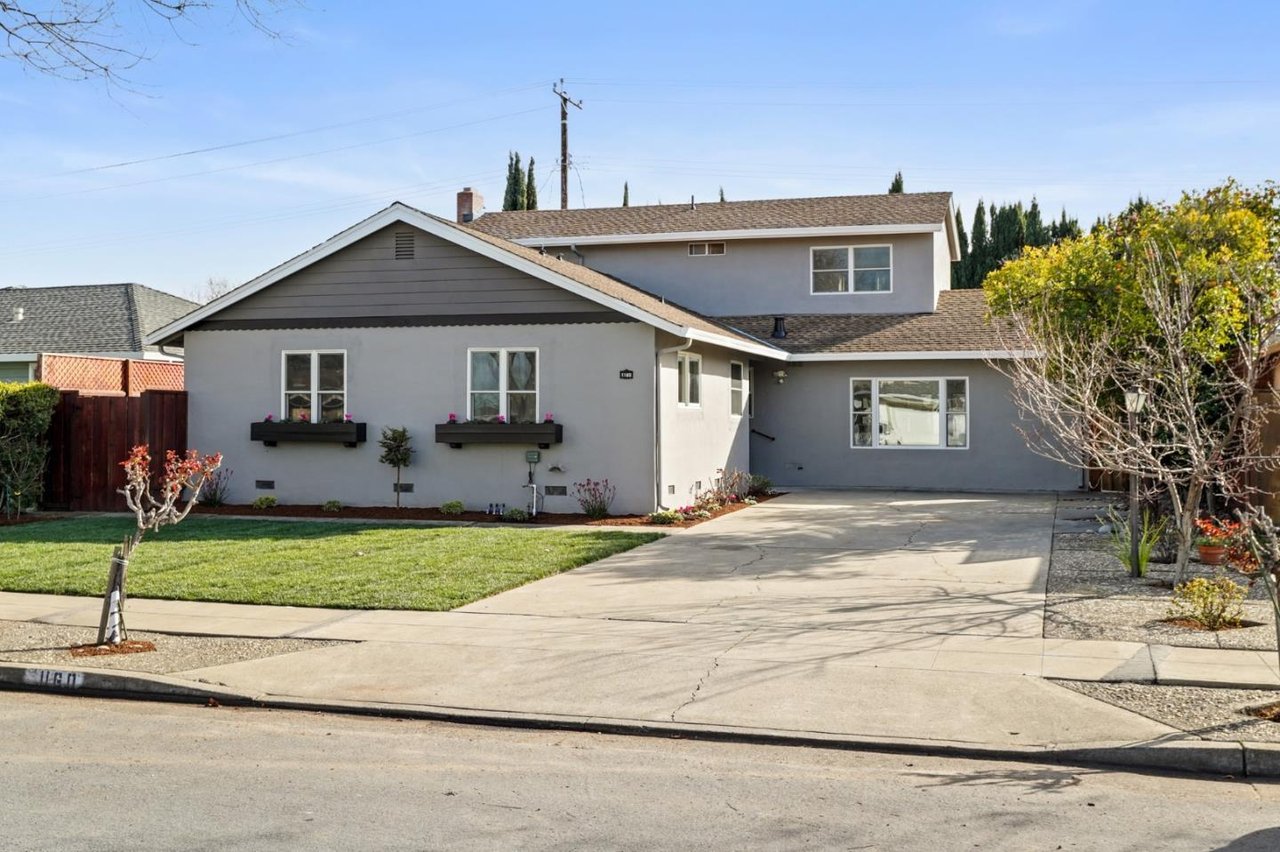
If you are trying to sell one home and buy another in Morgan Hill, timing can feel like the hardest part. You want to protect your equity, avoid unnecessary stress, and still stay competitive in a market that can move quickly. The good news is that with the right sequence, financing plan, and backup options, you can make the transition much smoother. Let’s dive in.
Why timing matters in Morgan Hill
Morgan Hill’s market pace makes planning especially important for move-up buyers and sellers. Recent market trackers showed a May 2026 median sale price of $1,294,225, 11 median days on market, and 3 offers on average on Redfin, while Zillow reported 13 days to pending and Realtor.com reported 235 active listings with 30 days on market.
Those numbers are not measured the same way, so they are not directly comparable. Still, they point to the same takeaway: if you are coordinating a sale and purchase in Morgan Hill, you need a clear plan before your home hits the market.
Start with the sequencing decision
The first big decision is not just what home you want next. It is which side of the move needs to be more certain first.
For many homeowners, selling first is the simplest path. Consumer guidance says that if you want to move, you normally try to sell your current home before buying another one, and that approach often creates more clarity around your equity, financing, and budget for the next purchase.
Option 1: Sell first
Selling first usually gives you the cleanest financial picture. Once your current home is under contract or closed, you can make decisions about your next purchase with a better understanding of available funds, monthly payment comfort, and offer strategy.
This route can also reduce pressure during negotiations. You are less likely to stretch your budget or rush into a purchase because you are still carrying uncertainty from the sale side.
Option 2: Buy first
Buying first can work if you have enough liquidity or temporary financing. Consumer guidance notes that bridge loans can be temporary loans of 12 months or less and may be used to finance a new home while you plan to sell the current one within that period.
This option can help if you find the right replacement home before your current property is ready to list. Still, it usually requires more risk tolerance because you may be managing overlapping costs and a tighter timeline.
Option 3: Close both transactions together
A same-day or back-to-back closing can be a strong solution when the timing lines up. In practice, this is often an escrow coordination task, with closing documents, lender timing, and recording all needing to stay on schedule.
California’s Department of Real Estate describes escrow as a neutral third party that protects both sides’ interests and records deeds once contract terms are satisfied. That means careful coordination matters if you are trying to use sale proceeds for your purchase right away.
Prep your current home early
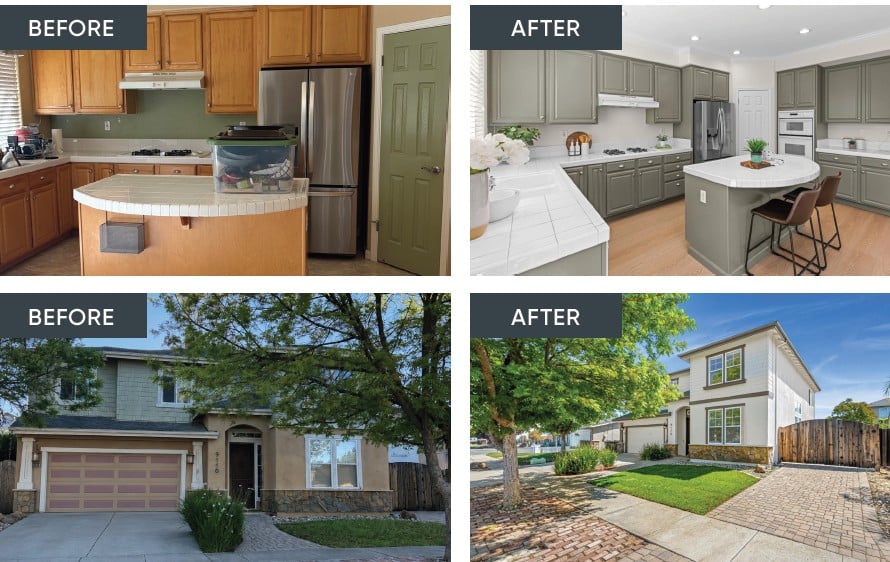
In a fast-moving market, listing prep should start before you shop aggressively for the next home. That way, if the right property appears, you are not also scrambling to finish repairs, disclosures, and presentation on your current home.
California’s Department of Real Estate says the seller’s Real Estate Transfer Disclosure Statement covers physical condition, hazards, and other factors that may affect value or desirability. It is not a warranty, and additional disclosures may be required depending on the property.
A smart early-prep phase often includes:
- Reviewing likely disclosures
- Identifying repair or maintenance items
- Planning photography and visual presentation
- Building a realistic list-to-market timeline
For Morgan Hill sellers, this early organization can create more flexibility if a purchase opportunity comes up quickly.
Treat financing as part of the timeline
One common mistake is treating financing like a separate task. When you are coordinating a sale and purchase, financing is part of the calendar.
Consumer guidance says preapproval helps you shop, but it does not lock you into that lender. It also notes that you can compare official Loan Estimates after you make an offer.
That means you can get prepared early without feeling boxed in. It is also important to avoid taking out new loans or making large purchases before buying, since that can affect your financing profile.
Budget beyond the down payment
California’s Department of Real Estate says buyers usually need 5% to 20% down plus 3% to 7% in closing costs. Consumer guidance adds that you should also budget for moving expenses, repairs, furniture, and improvements.
If you are both selling and buying, these extra costs matter even more. They can affect how much cash you want available during the transition and whether same-day coordination is truly comfortable.
Use contingencies to manage risk
Contingencies are one of the main tools for reducing risk when your sale and purchase overlap. They help set conditions and timelines so you are not committing blindly.
Consumer guidance says purchase offers and sales contracts should be contingent on obtaining financing and a satisfactory inspection. California’s Department of Real Estate also recognizes contingencies related to selling a home, repairs, pest and home inspections, home warranty items, and timing for those items.
Match your offer to your real comfort level
This is where strategy matters. A more aggressive offer may look appealing on paper, but it has to fit your actual situation.
If your sale must happen first, that should be reflected in how you structure the purchase side. If you have more liquidity or flexible housing options, you may have room for a different approach.
Build inspections into the move calendar
Inspections should never be an afterthought in a same-market move. They affect both your decision-making and your timing.
Consumer guidance recommends scheduling the home inspection as soon as possible so there is time to resolve concerns. If the contract is contingent on a satisfactory inspection, the buyer can cancel without penalty if the results are not acceptable.
On the closing side, California’s Department of Real Estate says the contract usually allows a final verification of condition within five days before closing. This is not a contingency, but it helps confirm the property is in the same condition and that agreed repairs were completed.
A coordinated calendar should account for:
- Inspection scheduling right after contract acceptance
- Time for repair discussions or credits
- Final verification of condition before closing
- Moving logistics around those deadlines
Have a backup housing plan
Even with careful planning, dates do not always align perfectly. That is why temporary housing is not a failure of the plan. It is often part of a good one.
If you sell before you buy, a short-term rental or other temporary arrangement can give you more control and reduce pressure. Consumer guidance supports the idea that renting can make sense in situations where flexibility is valuable, and it also notes that people often sell first before buying another home.
A backup housing plan can help you:
- Avoid rushed purchase decisions
- Keep your sale timeline cleaner
- Protect negotiating leverage
- Move forward if one closing shifts unexpectedly
In many Morgan Hill moves, having a fallback plan creates peace of mind even if you never need to use it.
Know the California paperwork points
When two transactions are happening close together, small paperwork details matter. Staying organized helps prevent last-minute issues.
The California State Board of Equalization says a Preliminary Change of Ownership Report is ordinarily filed at recording. If no deed is recorded, the buyer must file a Change of Ownership Statement within 90 days.
If you may qualify for Proposition 19, timing matters there too. The Board of Equalization says qualifying homeowners may preserve a prior tax base when a replacement home is purchased within two years of the original sale, but if the replacement home is bought before the original home sells, property tax is based on the replacement home’s full fair market value during the overlap period.
It also says the Proposition 19 claim form is filed only after both transactions are complete and you are living in the replacement home, not through escrow. For qualifying homeowners, that makes early planning especially important.
A simple framework for your move
If you want to keep the process manageable, focus on this order of operations.
1. Choose the sequence first
Decide whether selling first, buying first, or back-to-back closing gives you the best balance of certainty and flexibility. In Morgan Hill, that decision should happen before listing prep is finished.
2. Prepare your current home
Get ahead of disclosures, repairs, and presentation. The more ready your home is, the easier it is to respond when the next step appears.
3. Line up financing early
Get preapproved, understand your budget, and leave room for transition costs. Financing should support your timeline, not slow it down.
4. Write offers around your risk tolerance
Use contingencies thoughtfully. Your offer terms should reflect your actual sale timing, liquidity, and comfort level.
5. Build out inspection and closing windows
Map the key dates early. Inspection timing, final verification of condition, and escrow coordination all affect your move calendar.
6. Keep a backup plan ready
Temporary housing can be a practical bridge if closing dates do not line up. It is better to plan for flexibility than to react under pressure.
Why local guidance helps
A same-market move asks you to balance pricing, disclosures, financing, inspections, and timing all at once. That is a lot to manage without a clear process.
California consumer guidance recommends interviewing licensed agents, checking licensing, reviewing disclosures carefully, and seeking professional advice when contract terms are unclear. When you are both selling and buying in Morgan Hill, organized local guidance can help you reduce avoidable mistakes and make better decisions at each step.
If you are planning a move in Morgan Hill, the best first step is a conversation about your timing, your goals, and which side of the transaction needs to be more certain first. To build a plan that fits your move, connect with Nancy Robinson.
FAQs
How should you sequence a home sale and purchase in Morgan Hill?
- For many homeowners, selling first is the simplest path because it creates more clarity around equity, budget, and financing for the next purchase.
What does a same-day closing mean for a Morgan Hill move?
- A same-day closing usually means your sale and purchase are coordinated through escrow so proceeds, documents, and recording stay aligned on the same timeline.
What contingencies can help when buying and selling at the same time in California?
- Common contingencies may include financing, inspection, repairs, pest or home inspections, and in some cases the sale of your current home.
When should you schedule a home inspection during a Morgan Hill purchase?
- You should schedule the inspection as soon as possible after contract acceptance so there is enough time to review findings and address any issues.
What is the final verification of condition before a California closing?
- It is usually a check within five days before closing to confirm the property is in the same condition and that agreed repairs were completed.
How does Proposition 19 timing affect a California sale and purchase?
- For qualifying homeowners, timing can matter because a replacement home bought before the original home sells may be taxed at full fair market value during the overlap period, and the claim is filed after both transactions are complete and the replacement home is occupied.