Every generic guide to buying rural property tells you the same thing: get the septic pumped, test the well, check the flow rate. That advice isn't wrong. It's also not the reason San Martin deals get complicated. The real story here is that this community sits on a documented, still-monitored groundwater contamination plume, and its zoning has locked wells and septic systems in place since 1980 in a way that makes them permanent facts of the land, not temporary inconveniences you'll fix later.
If you're looking at acreage in San Martin, the question isn't whether the well and septic work today. It's whether you understand what you're actually buying into, and whether your lender will let the deal close before you find out.
The zoning froze the infrastructure in place
San Martin sits between Morgan Hill and Gilroy, two incorporated cities with municipal water and sewer. San Martin has neither, and that isn't an oversight. It's policy. The unincorporated community is governed as its own San Martin Planning Area under Santa Clara County's General Plan, defined by special land use policies first adopted in 1980 and layered with a 1995 Integrated Design Plan covering rural subdivision standards, drainage, and circulation. A nine-member San Martin Planning Advisory Committee still advises the county on land use questions here, which tells you how much local input has shaped the rules over four and a half decades.
The base zoning designation for most of the area is Rural Residential, and that designation is why lots run large. Rural Residential parcels typically carry a five-acre minimum, which isn't an aesthetic choice about keeping things spread out. It's a practical requirement tied directly to septic capacity. A leach field needs room to disperse effluent through soil, and a well needs distance from that leach field to stay uncontaminated. Small lots can't reliably support both. So the zoning that gives San Martin its acreage character and the septic system sitting under your future backyard are the same policy decision, just viewed from two different angles.
This matters because it tells you something the county's own zoning documents won't say outright: converting San Martin to municipal water and sewer isn't a matter of running pipe. It would mean unwinding the acreage-based zoning that defines the entire planning area. That's not happening on any timeline a buyer should plan around. The well and septic on the property you're considering are not a stage the community will grow out of. They're the infrastructure, permanently.
The plume that makes water testing non-negotiable
Here's the fact that changes how seriously you should take a water test in San Martin, and it's one most generic septic guides have no reason to mention because it isn't generic. In 2003, an investigation directed by state water officials detected the chemical perchlorate in water wells across Morgan Hill, San Martin, and Gilroy. The contamination plume extends roughly ten miles, and cleanup remains under the regulatory authority of the Central Coast Regional Water Quality Control Board. Valley Water, the county's water agency, states plainly that it continues to work with the Regional Board and the local community to make sure the contamination is adequately addressed. More than two decades later, this is still an active file, not closed history.
Perchlorate interferes with thyroid function, and exposure during pregnancy or childhood can affect cognitive development. Valley Water also notes that elevated nitrate and perchlorate are found in some South County wells specifically, even as most wells in Santa Clara County produce water that meets drinking standards without treatment. Both things are true at once. Most wells here are fine. Some aren't, and the region has a documented history of exactly the contamination that makes testing matter.
Public data backs this up at the individual water system level. The Environmental Working Group's tap water database for San Martin County Water District and for San Martin Foothills Water Company both carry entries for nitrate and perchlorate, the same contaminants tied to the 2003 plume. If your property draws from a private domestic well rather than one of these public systems, Valley Water is direct about where responsibility lands: you are the one responsible for making sure your water is safe, and the agency recommends testing annually through a state-certified lab even when the water looks and tastes fine.
So when a generic guide tells you to test your well before closing, treat that as a baseline. In San Martin, you're not testing against a hypothetical risk. You're testing against a documented one that regulators are still actively managing a few miles from whatever parcel you're considering.
The setback rule that quietly shrinks your buildable footprint
California's regulatory framework for septic systems, built out under Assembly Bill 885, sets minimum separation distances between wells and septic components as a matter of statewide policy, with a 100-foot separation between a well and a septic leach field showing up as a common minimum across county programs. Santa Clara County administers its own Local Agency Management Program with its own precise numbers, and your agent or the county's environmental health division can confirm the exact figures for a specific parcel. But even the general 100-foot standard has a real consequence on a five-acre lot: it isn't just a rule you comply with once during installation. It determines where you can put a pool, a barn, an ADU, or a second well years from now, because every new structure has to respect the same separation from the existing system.
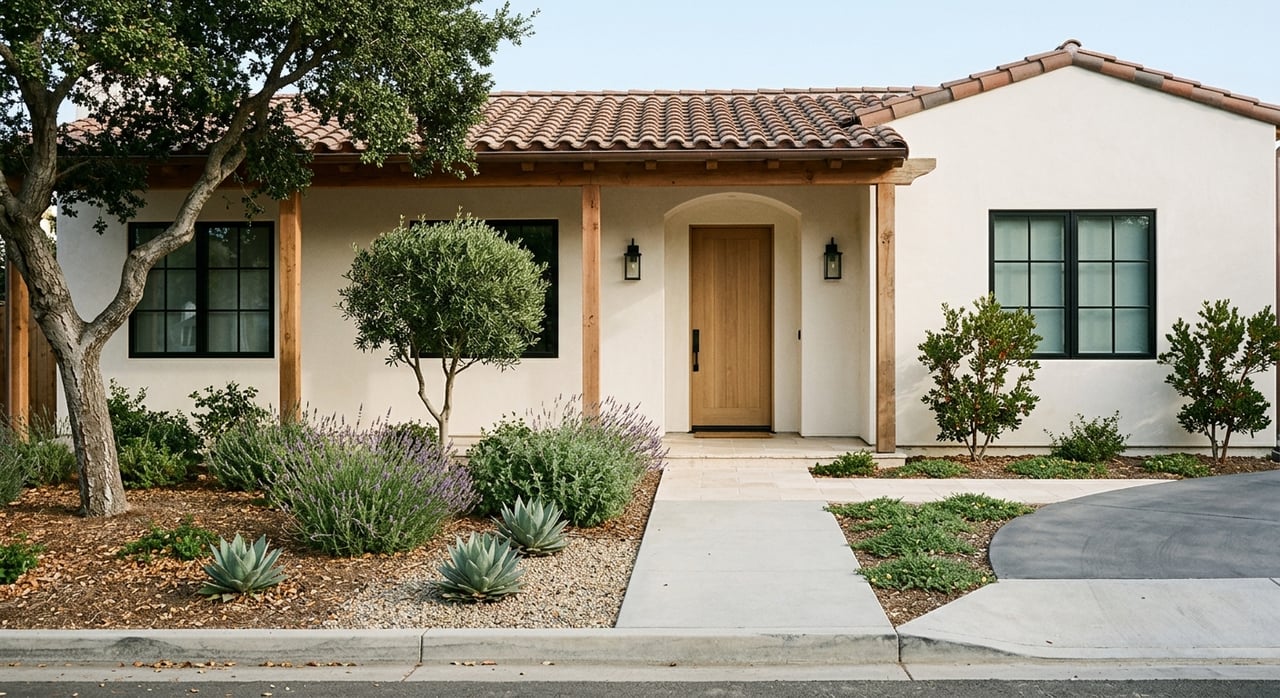
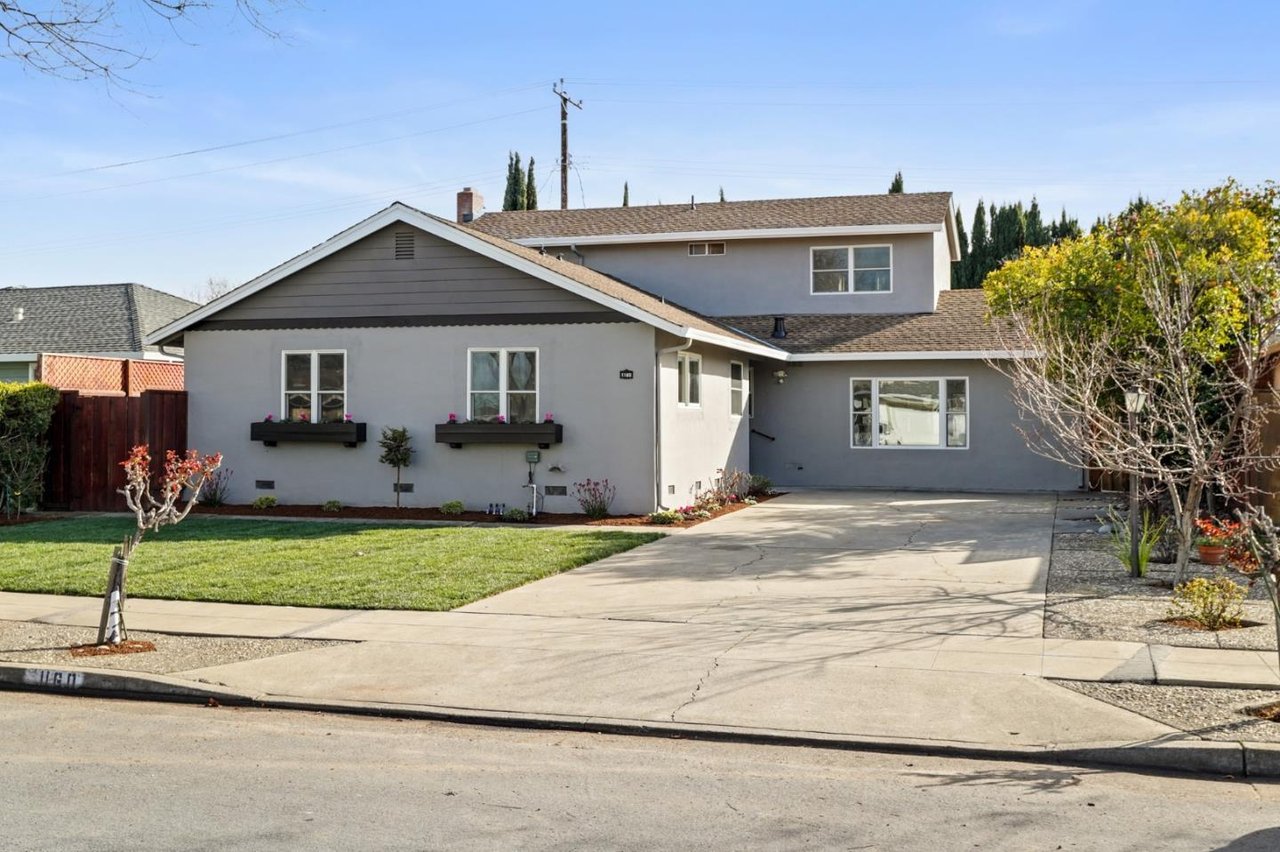
On a sprawling acreage parcel, 100 feet in any direction barely registers. On a smaller in-fill lot near the edge of the Rural Residential zone, that setback can eat a meaningful share of the usable yard. Before you fall for a property because of what the listing photos show, it's worth asking where the well and septic actually sit on the parcel map, because that placement is doing more to define your future building options than the square footage of the house.
The rules are being rewritten while you're shopping
San Martin's land use rules feel fixed because they've been stable for so long, but Santa Clara County has been actively revisiting them. As of a September 2025 planning commission presentation, county staff had put forward a proposed overhaul of rural zoning covering four zones, including Rural Residential, the designation that governs most of San Martin. The changes under discussion would require mitigation when farmland is converted to non-agricultural uses, impose new building limits, and restructure how agricultural business uses like wineries are classified going forward. County senior planner Charu Ahluwalia framed the goal as setting clearer expectations for what can be built in rural areas and at what scale.
The specifics matter less to a typical home buyer than the underlying point. If you're drawn to San Martin acreage because you want room for a vineyard, a hobby farm, an ADU, or a small agricultural business, don't assume the permitted-use rules you see in a listing description are locked in. The county was still working through a multi-phase process on exactly these questions as of that filing, and local winery operators had already raised concerns about permit costs under the draft rules. Before you write an offer around a specific use for the land, a quick call to the county planning office to confirm current status is worth more than any assumption based on how the zoning has always worked.
What this means for your closing timeline
Well and septic issues rarely kill a San Martin deal outright. They stall it, usually at the worst possible moment. FHA and VA loans require water quality testing that demonstrates safe drinking standards and adequate flow for the household, and VA guidelines specifically require the domestic water supply to be adequate for normal use. Most lenders look for a sustained yield of at least three to five gallons per minute, and if the seller hasn't tested recently, that testing has to happen before underwriting can move forward. A property that looks move-in ready on paper can sit in limbo for weeks while a water sample makes its way through a certified lab.
The fix is sequencing, not luck. Order the well and septic inspections the moment you're in contract, not after the general home inspection wraps up. Ask for the well completion report, which California's Department of Water Resources maintains under Water Code Section 13752 and which documents depth, casing, and the original driller's findings. Ask for the septic permit on file with the county, which shows system type and bedroom-count rating. None of this is exotic paperwork. It's just paperwork that has to exist before a lender will sign off, and starting the search early is the difference between a smooth closing and a delayed one.
Frequently asked questions
Who typically pays for the septic inspection in a San Martin sale? Responsibility is negotiable and should be spelled out in the purchase contract, though sellers often cover the cost as part of standard disclosure practice in California transactions.
Does Santa Clara County require a septic inspection every time a property sells? Many California counties require an inspection at time of sale, and the exact trigger and timing depend on the county's specific ordinance, so confirming the current requirement with Santa Clara County's environmental health division before writing an offer is worth the phone call.
If my well tests clean, does that mean the aquifer nearby is unaffected by the 2003 plume? Not necessarily. Contamination plumes move through groundwater unevenly, which is exactly why Valley Water recommends annual testing rather than a one-time result, even for wells that have always tested clean.
If you're weighing a specific San Martin parcel and want a second opinion on what the well, septic, and zoning history actually mean for your offer, Sold By Team Robinson has spent 25-plus years working South County transactions exactly like this one. Reach out for a straightforward conversation before you write the offer, not after.